Our blog
Glossary
Key terms and definitions related to circularity, environmental responsibility, and sustainable practices - explained simply and clearly.
What is glycolysis in PET recycling?
Glycolysis breaks down PET plastic chemically, turning waste into raw materials. This helps recycle plastics fully, saves resources, cuts emissions, and supports a circular economy.

What is circular economy?
A circular economy keeps resources in use longer by repairing, reusing, and recycling. This reduces waste, saves money, cuts pollution, and supports sustainable, lasting products.

What is depolymerization?
Depolymerisation breaks plastics into original parts for high-quality recycling, cutting waste and pollution. It supports a circular economy by reusing materials and saving resources.
What is solvolysis?
Solvolysis breaks down plastics using solvents, turning waste into reusable raw materials. It supports circular economy by reducing pollution, conserving resources, and improving recycling quality.
What is industrial composting?
Industrial composting turns organic waste into nutrient-rich compost fast, cutting landfill methane and supporting soil health. It’s key for waste reduction and a circular economy.

What is waste to energy?
Waste-to-Energy turns leftover waste into useful energy, cutting landfill size and emissions. It supports circular economy goals by using waste as fuel, making local energy cleaner and smarter.
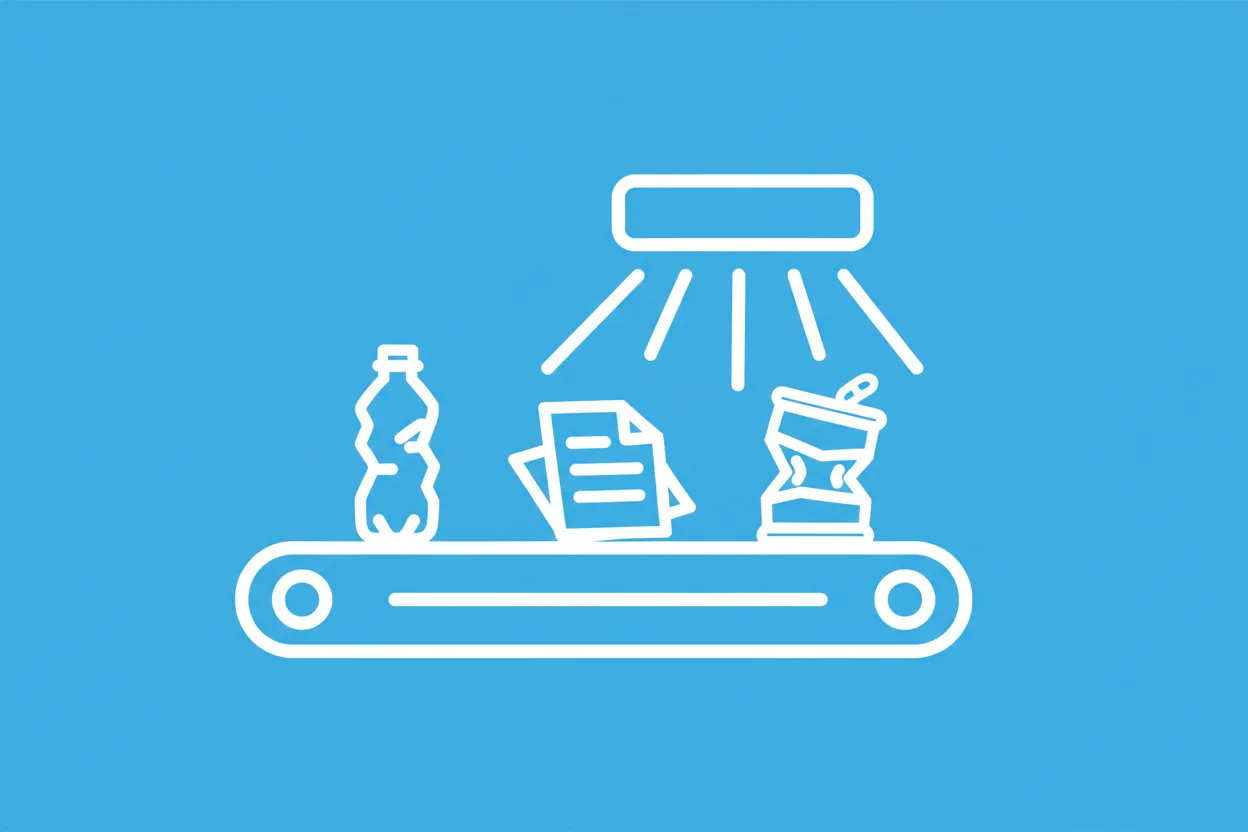
What is near-infrared (NIR) sorting?
Near-Infrared (NIR) Sorting uses light to quickly and accurately separate materials like plastics, boosting recycling quality, reducing waste, saving resources, and supporting a circular economy.

What is home composting?
Home composting turns kitchen scraps and garden waste into nutrient-rich soil, cutting landfill waste and greenhouse gases. It’s an easy, eco-friendly way to recycle at home and support plant growth.
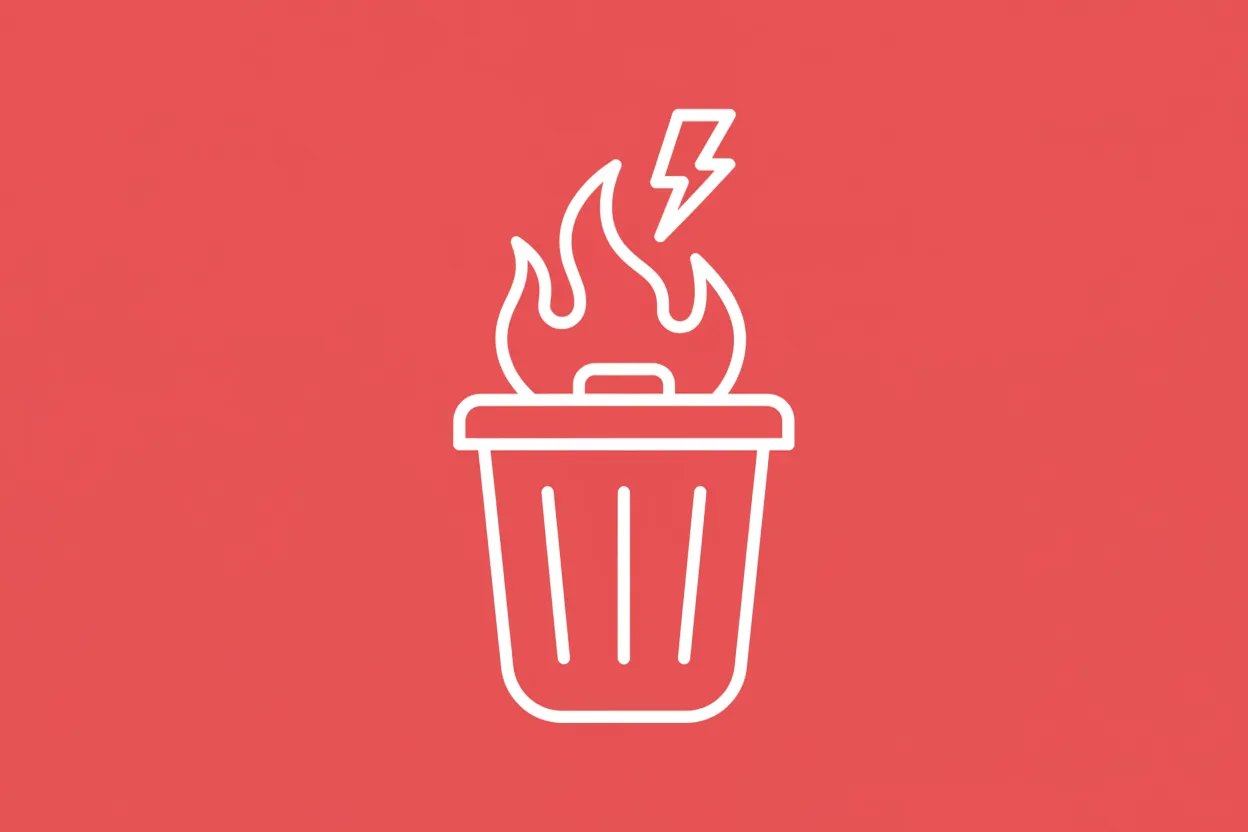
What is energy recovery from waste?
Energy Recovery turns waste into energy when recycling isn’t possible, cutting landfill use and emissions. It complements recycling by handling leftover waste safely and sustainably.