Our blog
Glossary
Key terms and definitions related to circularity, environmental responsibility, and sustainable practices - explained simply and clearly.
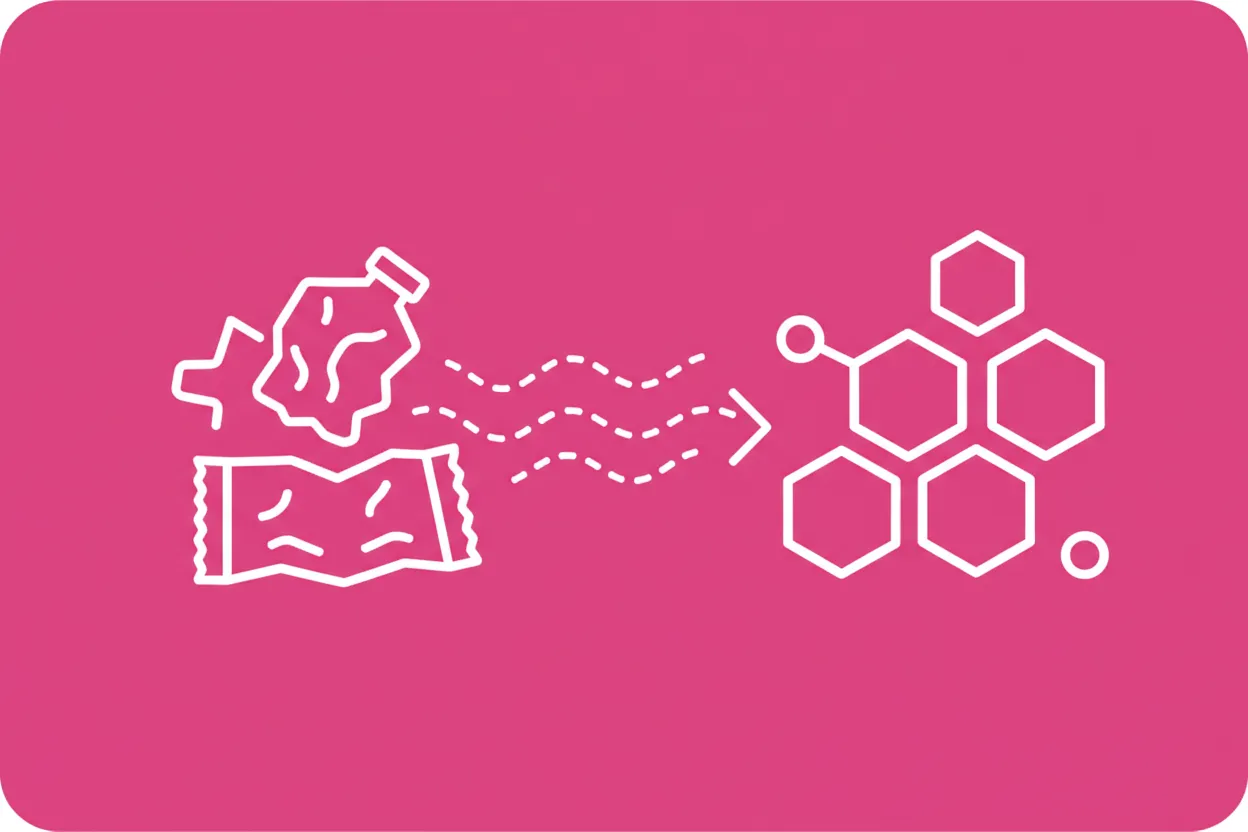
What is feedstock recycling?
Feedstock recycling breaks down waste into raw materials to make new products, reducing landfill and fossil fuel use. Sorting waste right helps keep resources in a circular loop for a cleaner planet.

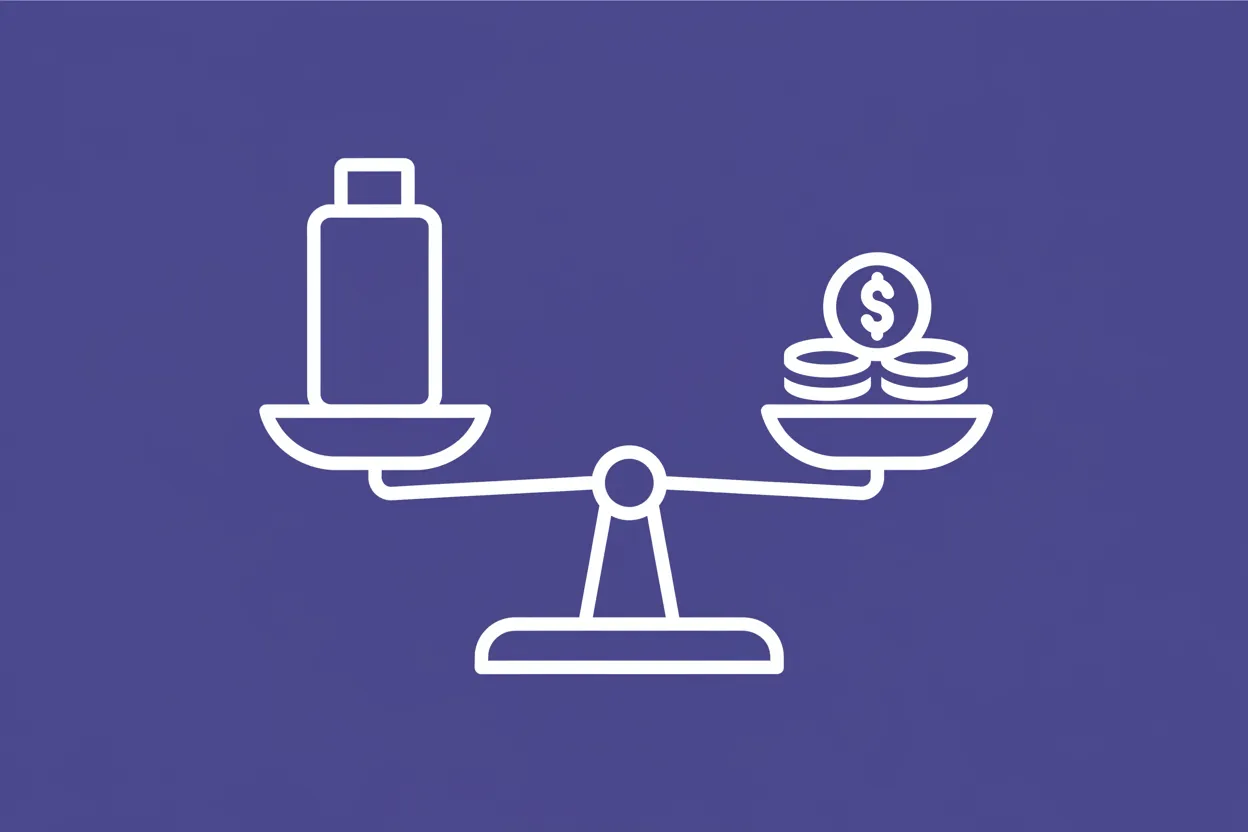
What is a material-based fee?
Material-based fees could lead to lighter, easier-to-recycle packaging and fewer harmful materials in everyday products, making them more eco-friendly and reducing waste around you.
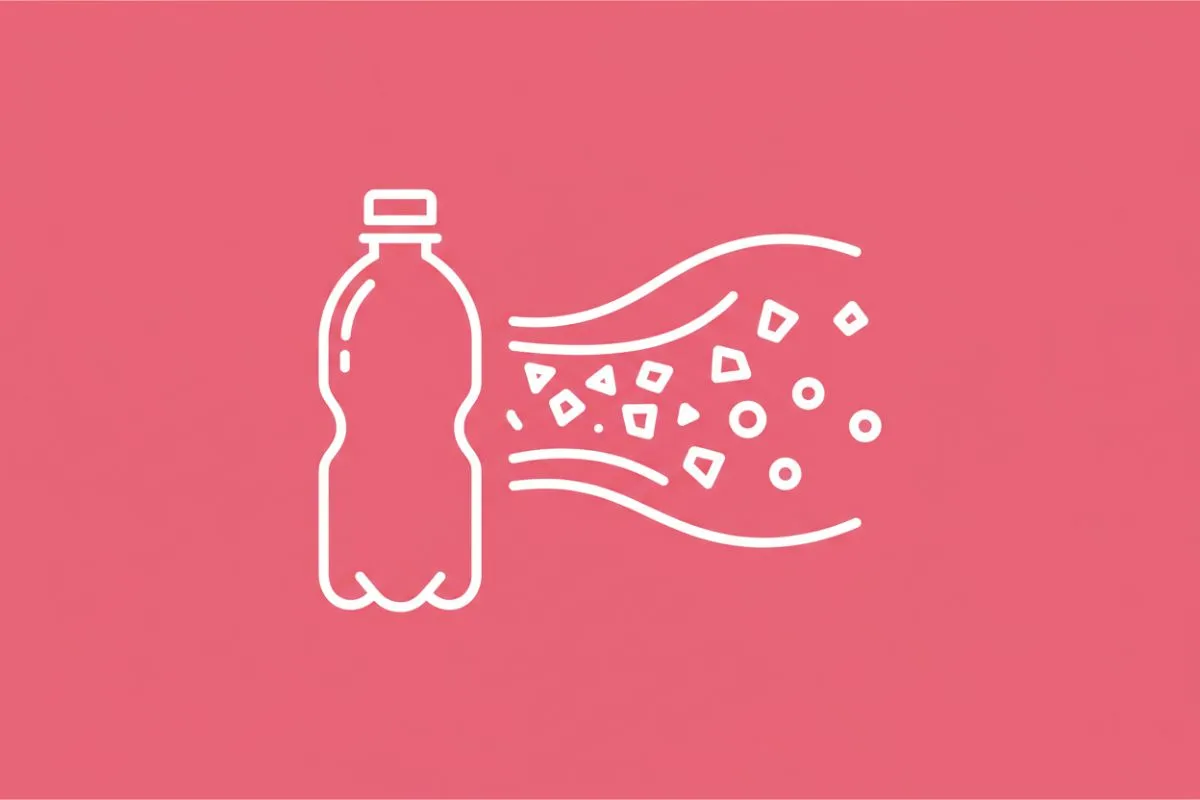
What is bottle-to-bottle recycling?
Bottle-to-bottle recycling turns used plastic bottles into new ones, saving energy, cutting waste, reducing pollution, and supporting a circular economy for a cleaner, greener planet.

What is downcycling?
Downcycling recycles materials into lower-quality products, reducing waste and saving resources but shortening material life. Better design and recycling habits can improve circularity.

What are eco-modulation criteria?
Eco-modulation adjusts fees based on a product's eco-friendliness, rewarding sustainable design and recycling to reduce waste and pollution, driving a circular economy and greener products.
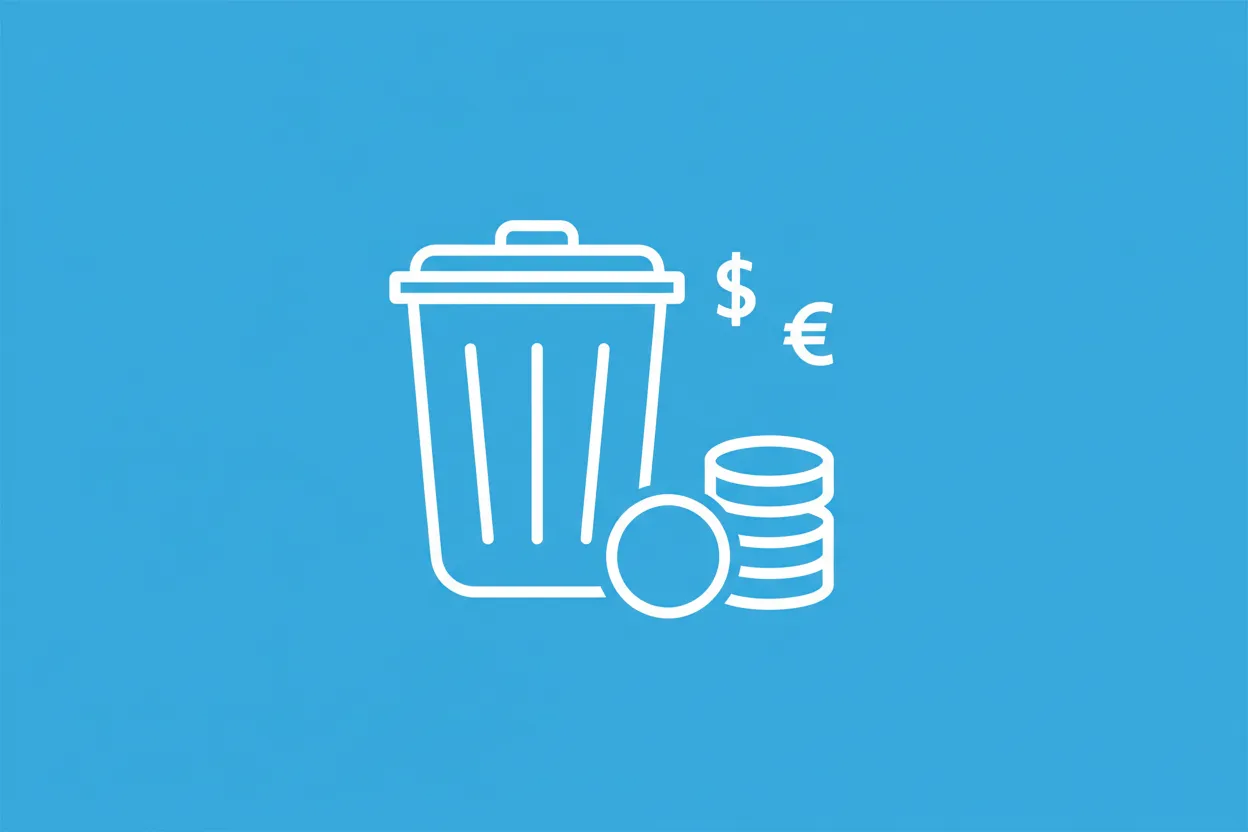
What is litter management cost allocation?
Litter management cost allocation shares cleanup costs fairly among waste creators and communities, encouraging less waste, supporting local budgets, and protecting the environment.

What is a unit-based fee?
Unit-based fees charge for waste by amount produced, encouraging less trash and more recycling. This fair system supports a circular economy, cuts costs, and helps protect the environment.
What is EPR fee calculation?
EPR Fee Calculation charges producers based on product type, materials, weight, and volume to fund waste management, encouraging eco-friendly design and supporting a circular, sustainable economy.
What is an incineration tax?
An incineration tax charges fees on burning waste to discourage it, reduce pollution, and fund recycling. It promotes circular economy by encouraging reuse and less waste burning.