Our blog
Glossary
Key terms and definitions related to circularity, environmental responsibility, and sustainable practices - explained simply and clearly.

What is EPR for tyres?
EPR for tyres makes producers responsible for collecting and recycling old tyres, reducing waste, pollution, and promoting a circular economy for a cleaner, greener planet.

What is EPR for vehicles (end-of-life)?
EPR for vehicles makes manufacturers responsible for recycling and safely disposing of old cars, reducing waste and pollution while promoting eco-friendly design and a circular economy.
What is EPR for oils?
EPR for Oils makes producers responsible for collecting and recycling used oils, preventing pollution and turning waste into valuable products like biofuels—helping protect nature and support a circular economy.
What is EPR for fishing gear?
EPR for fishing gear makes producers responsible for collecting and recycling old gear, reducing ocean pollution, protecting marine life, and encouraging sustainable, eco-friendly fishing equipment.
What is EPR for batteries?
EPR for batteries makes producers responsible for collecting and recycling used batteries, keeping harmful waste out of nature and saving valuable materials for a cleaner, greener future.
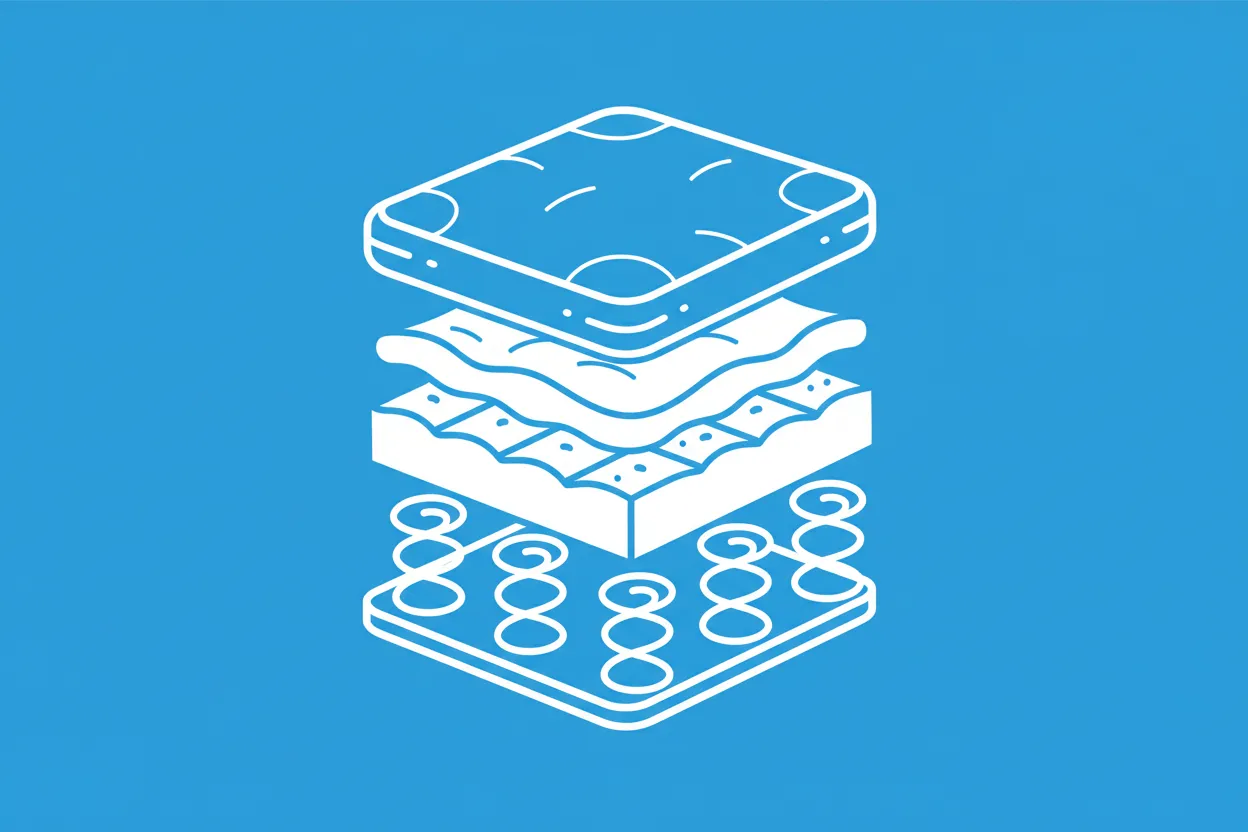
What is EPR for mattresses?
EPR for mattresses makes producers responsible for recycling old mattresses, reducing landfill waste, encouraging better design, and supporting a circular economy that saves resources and cuts pollution.

What is EPR for electronics (WEEE)?
EPR for electronics makes producers responsible for recycling old devices, reducing pollution, conserving resources, and supporting jobs—helping create a cleaner, circular economy for a sustainable future.

What is EPR for agricultural plastics?
EPR for agricultural plastics makes producers responsible for collecting, recycling, and redesigning farming plastics, reducing waste and pollution while supporting a cleaner, circular farming system.
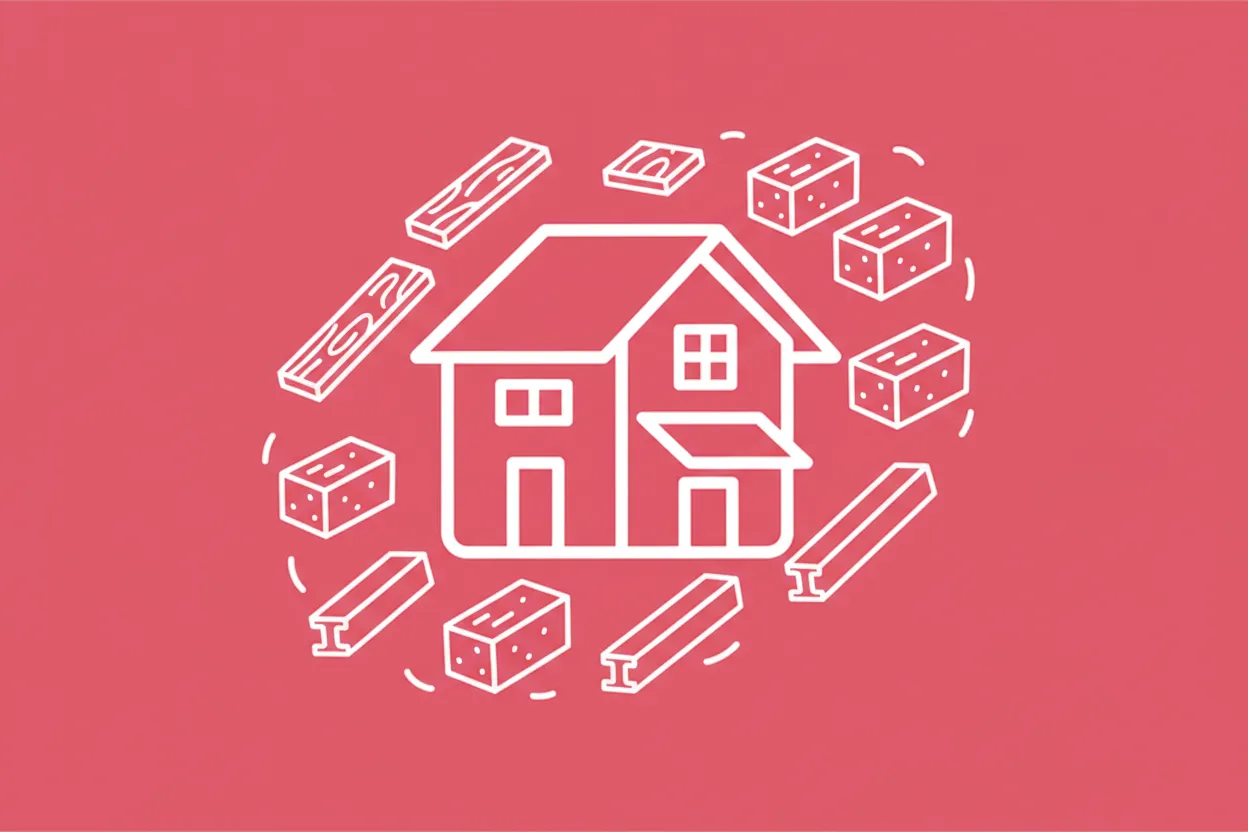
What is EPR for construction materials?
EPR for construction means producers manage their materials’ waste, boosting recycling, cutting landfill, saving resources, and driving greener, circular building practices.