Our blog
Glossary
Key terms and definitions related to circularity, environmental responsibility, and sustainable practices - explained simply and clearly.
What is polyethylene (PE) in fishing gear?
Polyethylene in fishing gear is strong and water-resistant but causes pollution when lost. Recycling and using recycled gear help protect oceans and support a circular economy.

What is polypropylene (PP) in fishing gear?
Polypropylene is strong, light, and water-resistant, making it ideal for fishing gear. Its durability reduces waste, but lost gear can pollute oceans. Recycling and smart design boost circularity.
What is fishing gear containing plastic?
Plastic fishing gear is strong but can harm oceans when lost, trapping wildlife and breaking into microplastics. Recycling, using alternatives, and sustainable choices help protect marine life.
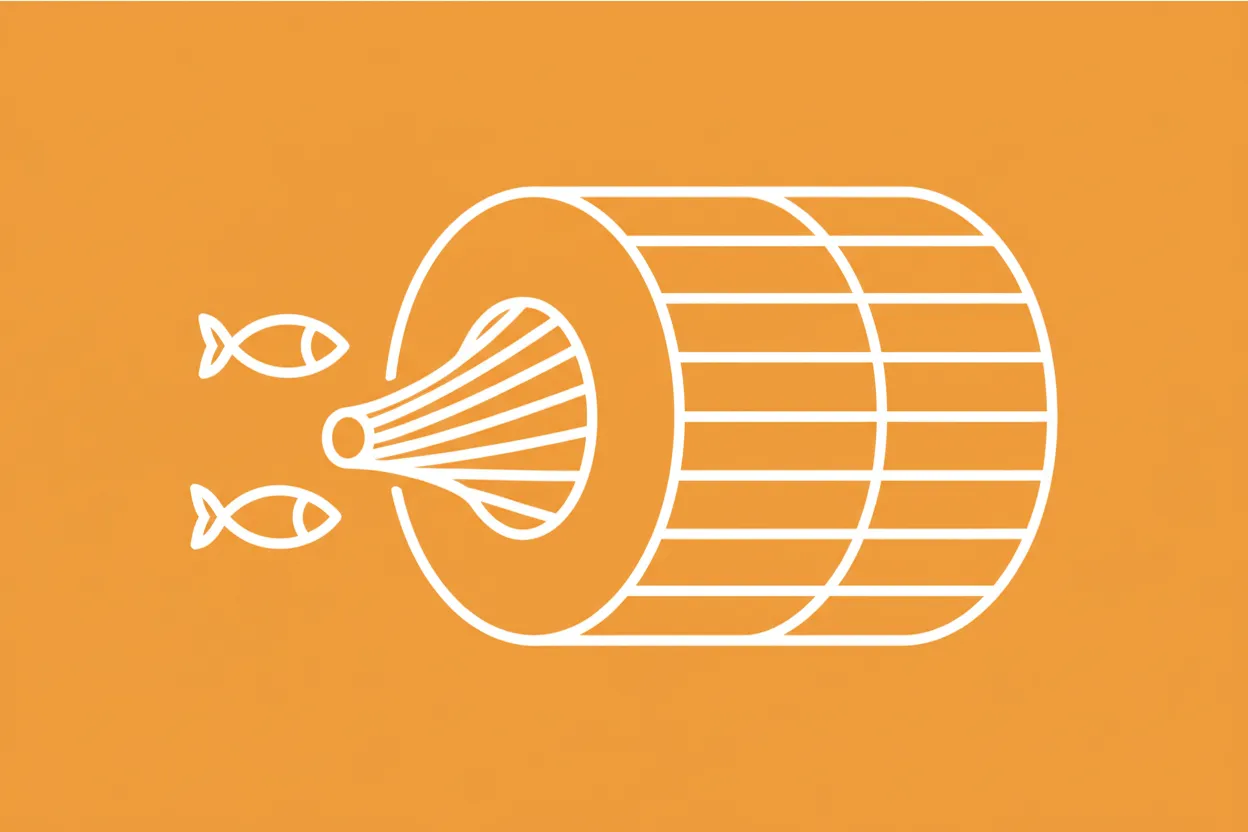
What is a fish trap?
Fish traps catch fish gently, reduce bycatch, and protect habitats. Made from natural, reusable materials, they support sustainability and circular economy by minimizing environmental harm.
What is a fish aggregating device (FAD)?
Fish Aggregating Devices (FADs) attract fish to one spot, making fishing easier and more efficient. Sustainable FADs reduce pollution and bycatch, helping protect ocean life while supporting fishing communities.

What is an aquaculture cage?
Aquaculture cages raise fish in natural waters using durable nets, promoting sustainable seafood by protecting wild stocks, recycling waste, and supporting healthy fish and ecosystems.
What is nylon (polyamide) in fishing gear?
Nylon fishing gear is durable but causes ocean pollution when lost. Recycling nets into new products and making biodegradable gear help reduce waste and protect marine life, promoting circularity.

What is a lobster pot?
Lobster pots catch lobsters without harming marine life, using selective, eco-friendly designs. They support ocean health and sustainable fishing, protecting lobsters and local communities.
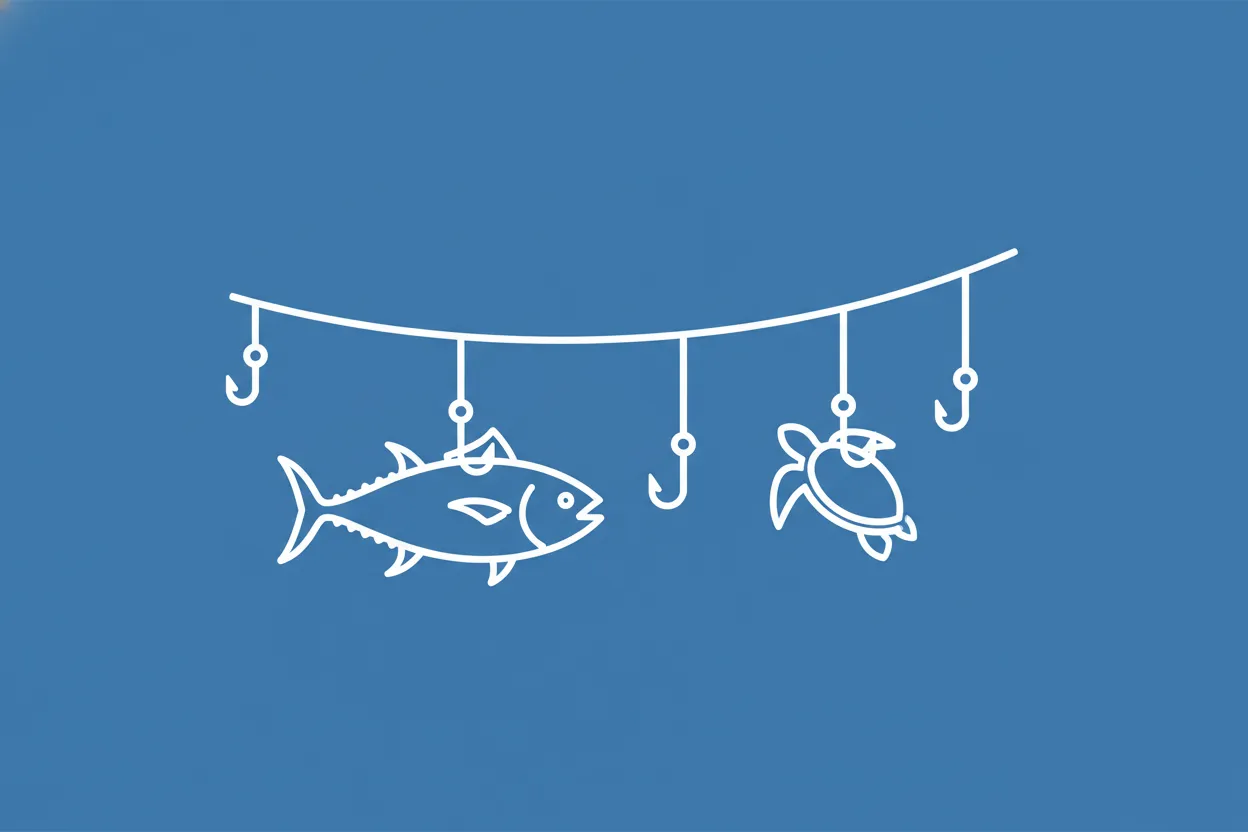
What is longline fishing?
Longline fishing uses long lines with many hooks to catch fish but can harm other sea animals and fish stocks. Sustainable practices and rules help protect ocean life and ensure future fish supply.