Oskar Mortensen
Oskar Mortensen is a Content Specialist at Repax who loves turning complicated sustainability rules into something everyone can actually understand. Think of him as your friendly guide through the world of EPR regulations and circularity—breaking down the confusing stuff so you can focus on what really matters for your business. His goal? Making environmental compliance feel less like homework and more like a conversation. When Oskar's not writing helpful content, you'll find him out on the golf course, breathing in that fresh air and enjoying nature's own waste-free system.

Articles by :author:
The latest industry news, interviews, technologies, and resources.
What is embodied carbon?
Glossary
Embodied carbon is the total CO2 emissions from making, using, and disposing of products. Choosing recycled or low-carbon materials helps reduce this hidden impact on climate change.

What is a system boundary in LCA?
Glossary
A system boundary in LCA sets clear limits on which product stages and processes to study, helping focus on key environmental impacts and making the analysis manageable and transparent.
What is the EU Emissions Trading System (EU ETS)?
Glossary
The EU ETS limits emissions by setting a cap and allowing companies to trade allowances. It cuts greenhouse gases by 50% since 2005 and funds green projects, driving cleaner tech and a greener economy.

What is a functional unit in LCA?
Glossary
A Functional Unit in LCA defines the exact function a product provides, like “protecting 1 kg of food,” ensuring fair, clear environmental impact comparisons focused on real use and sustainability.
What is life cycle impact assessment (LCIA)?
Glossary
Seeing the full life cycle of everyday items reveals their true environmental impact, inspiring smarter choices like using less, recycling more, and supporting greener products for a healthier planet.
What is embodied energy?
Glossary
Embodied energy is the total energy used to make a product, from raw materials to assembly. Choosing low-embodied energy materials and recycling helps reduce environmental impact and supports sustainability.
What is an ecological footprint?
Glossary
An ecological footprint shows how much land and water we need to support our lifestyle and absorb waste. Reducing it by recycling, saving energy, and choosing sustainable products helps protect our planet.
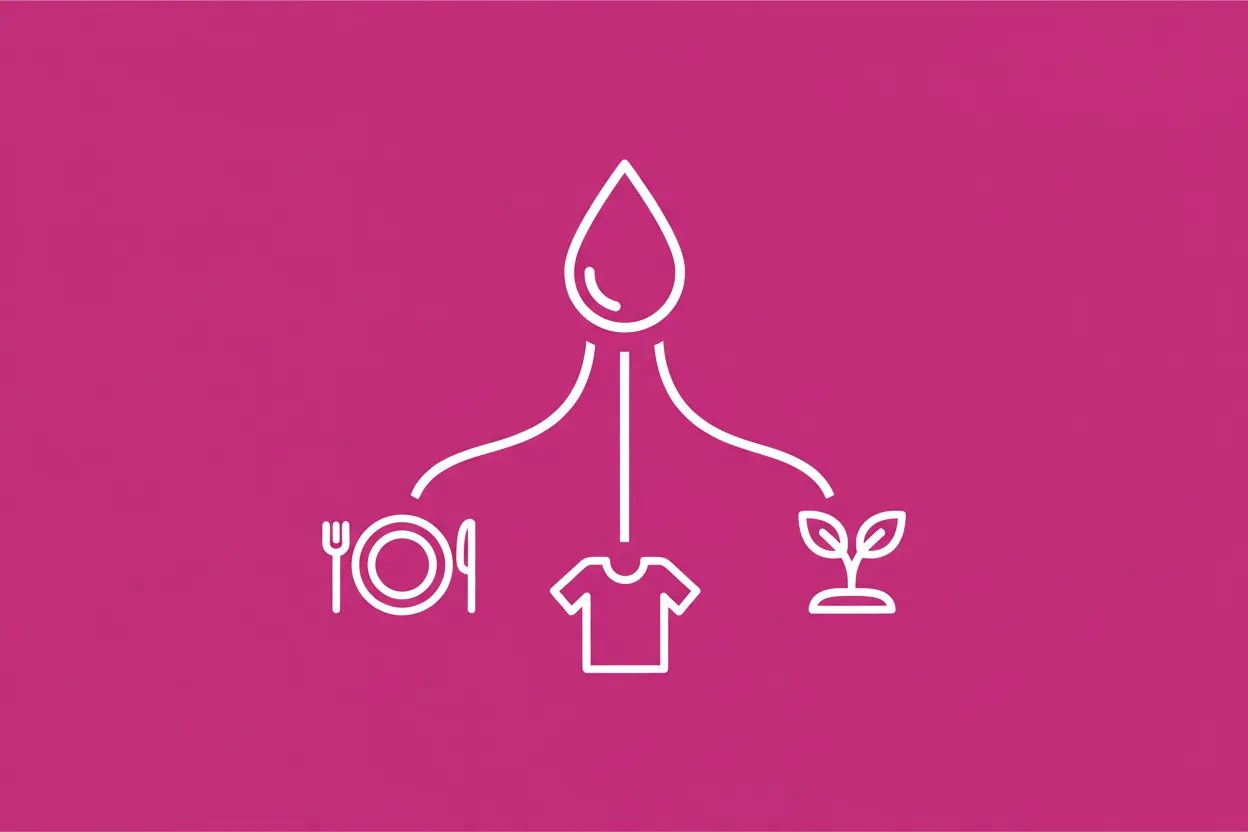
What is a water footprint?
Glossary
Water footprint shows the total water used directly and indirectly for products we use daily. It helps us make smarter choices, save water, and protect ecosystems for a sustainable future.
What is a cradle-to-gate assessment?
Glossary
Cradle-to-Gate Assessment measures a product’s environmental impact from raw materials to factory exit, helping companies reduce resource use, meet rules, and offer greener choices to customers.
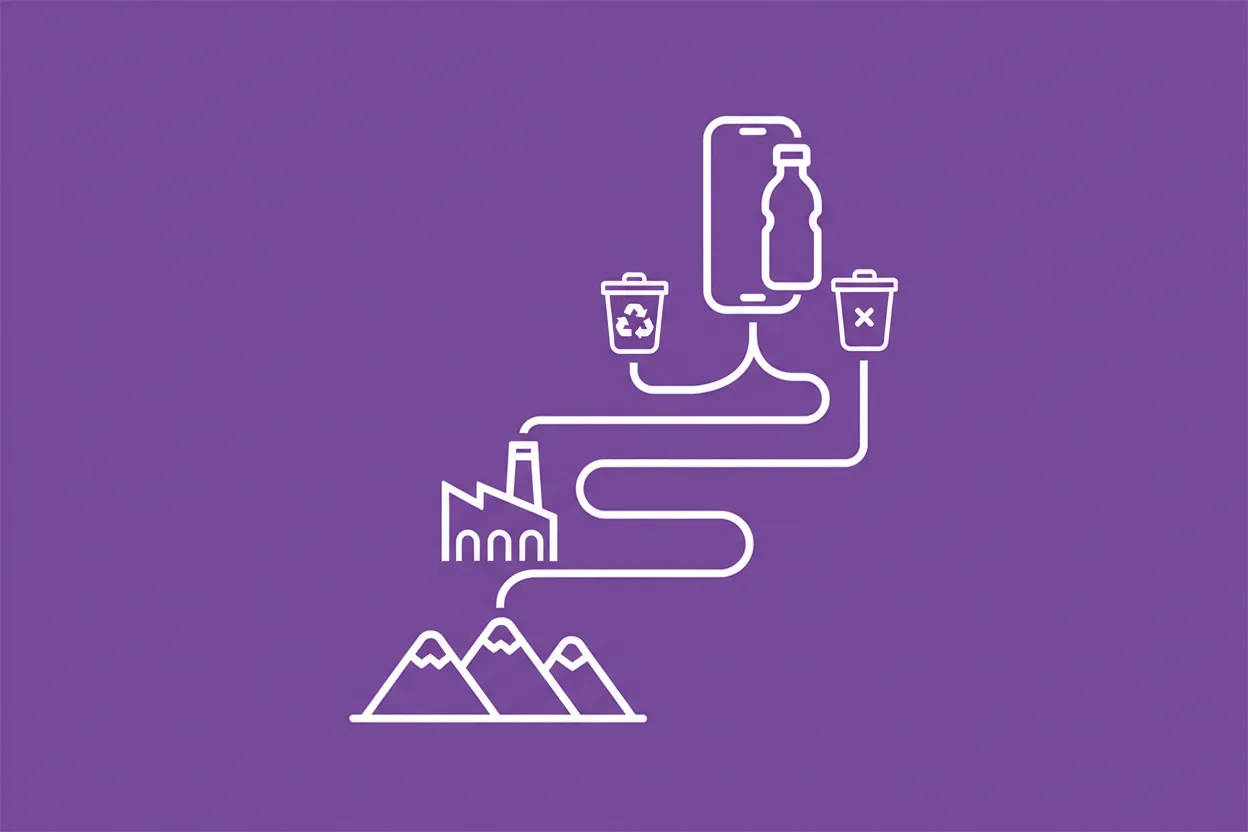
What is material flow analysis?
Glossary
Material Flow Analysis tracks materials from start to end, showing where they come from, go, and how they're used or wasted. It helps reduce waste and supports recycling for a greener future.

What is the GHG Protocol?
Glossary
The GHG Protocol helps businesses measure and manage greenhouse gas emissions in three scopes, guiding them to reduce impact, save costs, and support climate goals with clear, trusted data.
What are carbon credits?
Glossary
Carbon credits let companies buy or sell permission to emit greenhouse gases, encouraging cuts where cheap. They fund green projects and help meet climate goals flexibly and cost-effectively.