Oskar Mortensen
Oskar Mortensen is a Content Specialist at Repax who loves turning complicated sustainability rules into something everyone can actually understand. Think of him as your friendly guide through the world of EPR regulations and circularity—breaking down the confusing stuff so you can focus on what really matters for your business. His goal? Making environmental compliance feel less like homework and more like a conversation. When Oskar's not writing helpful content, you'll find him out on the golf course, breathing in that fresh air and enjoying nature's own waste-free system.

Articles by :author:
The latest industry news, interviews, technologies, and resources.

What is carbon sequestration?
Glossary
Carbon sequestration captures and stores CO2 from the air using nature (like trees and soil) or technology, helping reduce greenhouse gases and fight climate change for a healthier planet.
What is decarbonisation?
Glossary
Start reducing your carbon footprint by using public transport, switching off unused lights, recycling waste, and choosing energy-efficient products. Small changes make a big difference!
What is global warming?
Glossary
You can save energy, recycle more, reduce waste, use less plastic, eat less meat, and support renewable energy. Small changes together help fight global warming and protect our planet.

What is the greenhouse effect?
Glossary
The greenhouse effect warms Earth naturally by trapping heat with gases like CO2. Human actions add more gases, causing extra warming and climate change. Reducing emissions helps protect our planet.
What is CO2 equivalent (CO2e)?
Glossary
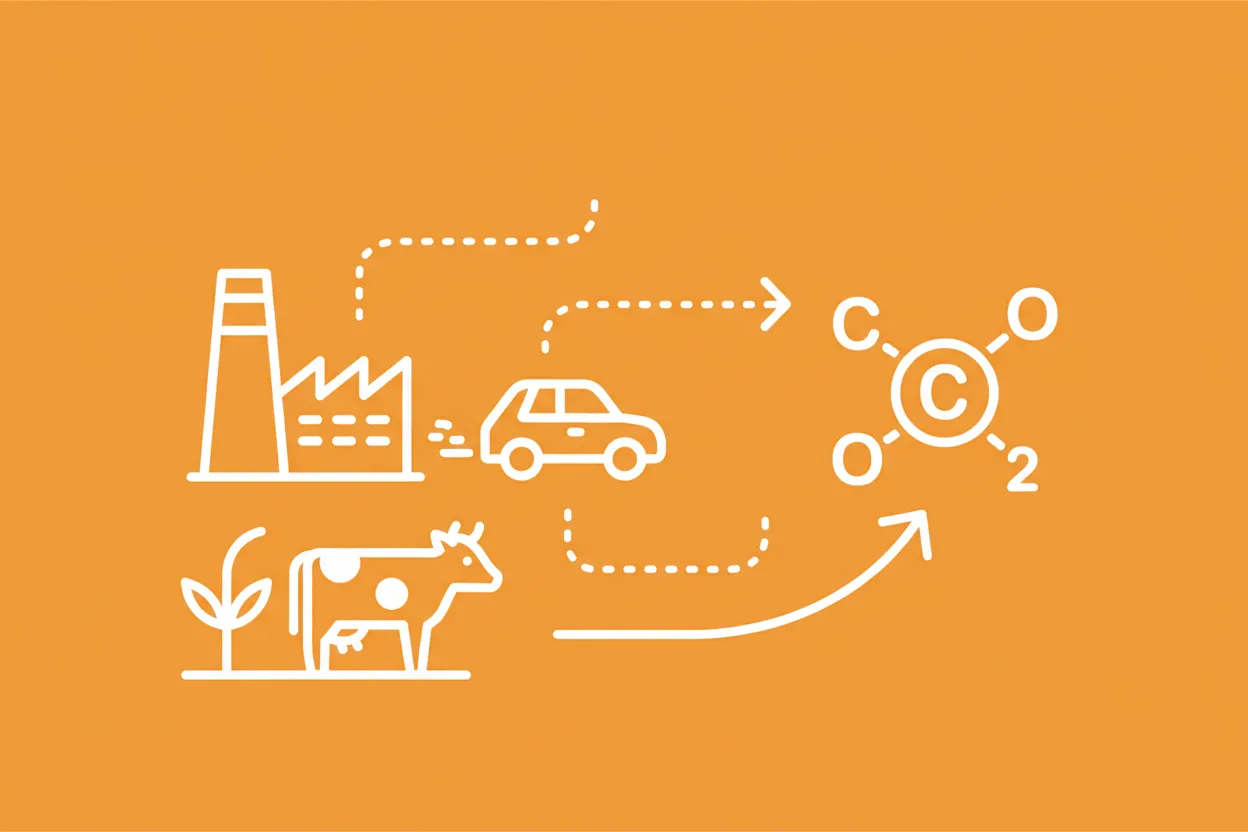
CO2e shows the total climate impact of all greenhouse gases in one number, helping us see and reduce our carbon footprint through better choices and actions.
What is climate change?
Glossary
Climate change means rising temperatures caused by greenhouse gases from burning fossil fuels. It harms ecosystems, health, and sea levels. Using cleaner energy, saving energy, and reducing waste helps slow it down.
What is CO2 (carbon dioxide)?
Glossary
CO2 is a natural gas vital for life but causes warming when excessive. You can lower your carbon footprint by saving energy, recycling, driving less, and choosing sustainable products.
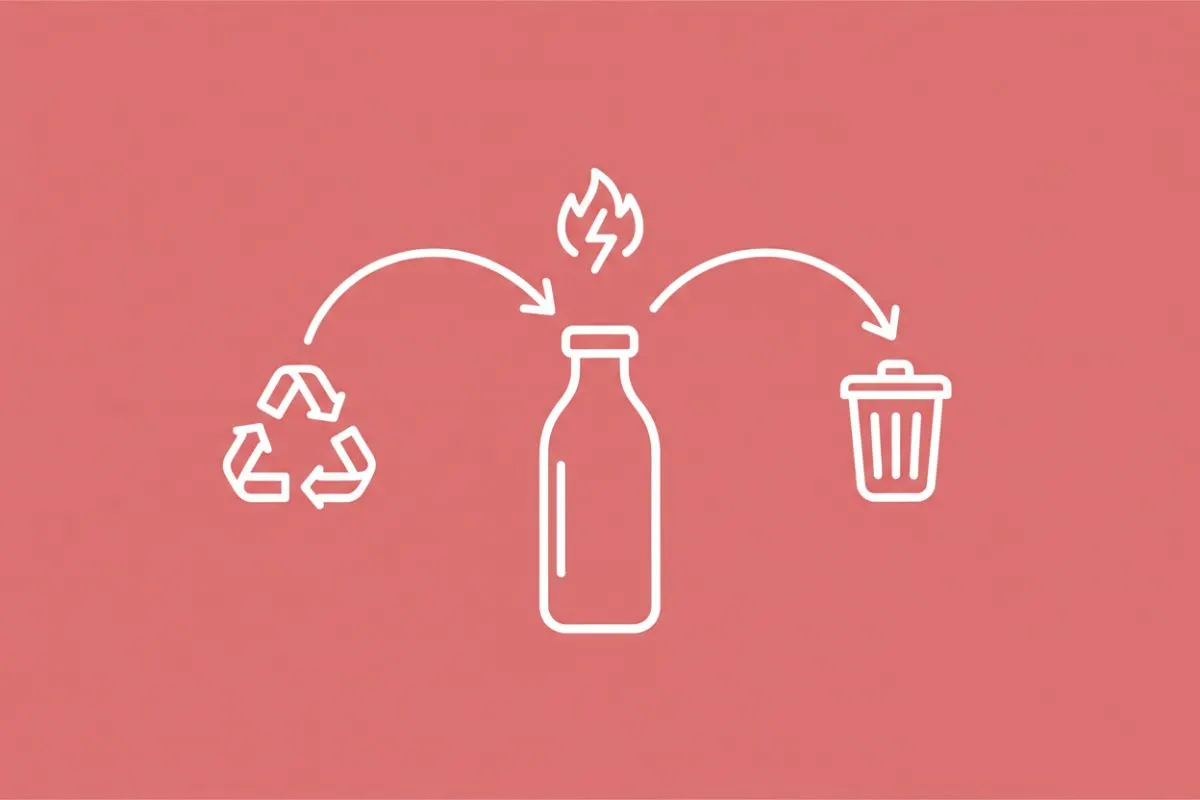
What is the circular footprint formula (CFF)?
Glossary
The Circular Footprint Formula measures a product’s environmental impact by balancing benefits and costs of recycling, energy recovery, and disposal, helping promote sustainable, circular product design.
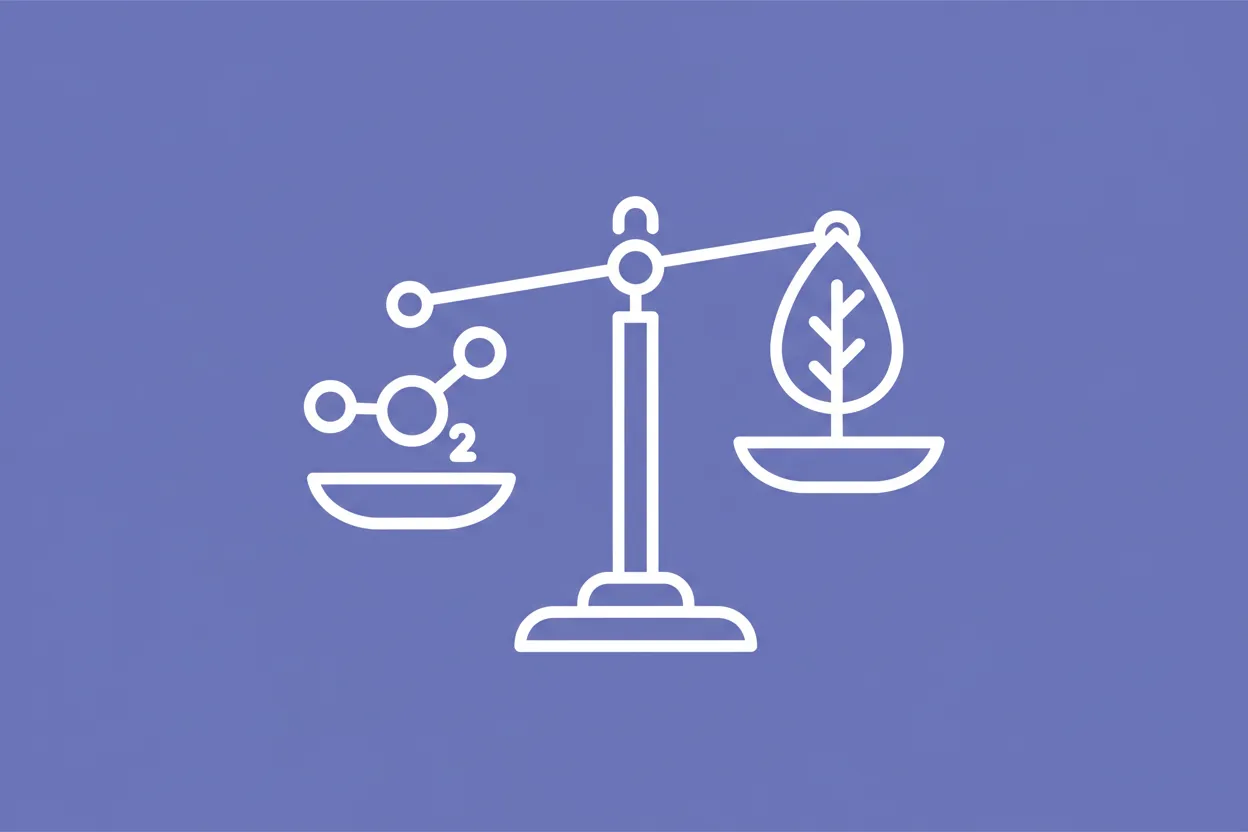
What is climate neutrality?
Glossary
Climate neutrality means balancing greenhouse gas emissions with actions that reduce or absorb them, helping stop climate change. Everyone can help by reducing waste, using clean energy, and supporting nature.

What is global warming potential (GWP)?
Glossary
Global Warming Potential (GWP) measures how much heat a gas traps compared to CO2 over 100 years. It helps track emissions, guide policies, and make better eco-friendly choices.

What is a life cycle inventory (LCI)?
Glossary
Life Cycle Inventory (LCI) tracks all resources used and waste made during a product’s life. It helps businesses and consumers reduce environmental harm and supports a circular, sustainable future.
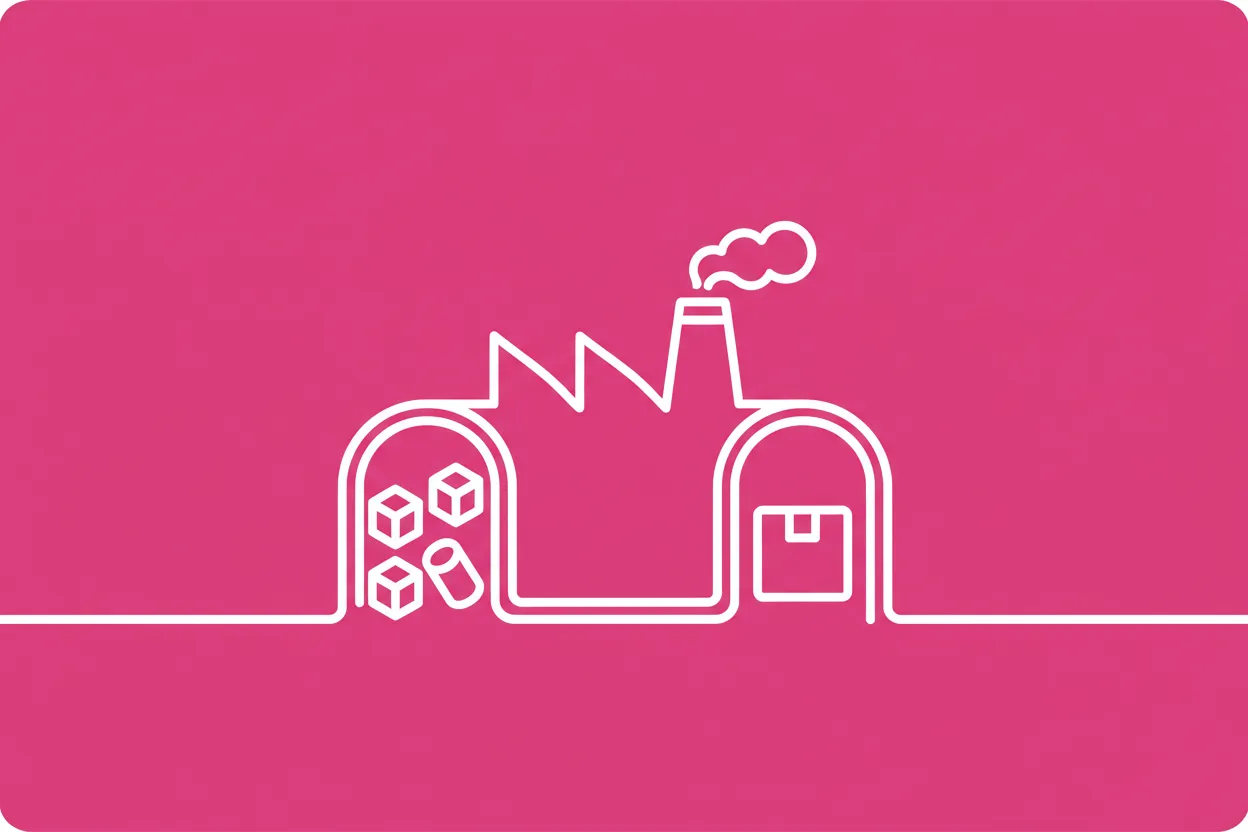
What is gate-to-gate assessment?
Glossary
Gate-to-Gate Assessment measures environmental impact during one production stage, helping companies reduce resource use, waste, and pollution for more sustainable, efficient processes.