Oskar Mortensen
Oskar Mortensen is a Content Specialist at Repax who loves turning complicated sustainability rules into something everyone can actually understand. Think of him as your friendly guide through the world of EPR regulations and circularity—breaking down the confusing stuff so you can focus on what really matters for your business. His goal? Making environmental compliance feel less like homework and more like a conversation. When Oskar's not writing helpful content, you'll find him out on the golf course, breathing in that fresh air and enjoying nature's own waste-free system.

Articles by :author:
The latest industry news, interviews, technologies, and resources.
What is a waste stream?
Glossary
A waste stream is the path waste takes from where it’s made to disposal or recycling. Managing it well helps reduce pollution, save resources, and supports a circular, sustainable future.
What is door-to-door collection?
Glossary
Door-to-door collection makes recycling easy and convenient, boosting proper sorting, reducing waste, supporting the circular economy, and keeping neighborhoods clean and green.
What is commercial waste collection?
Glossary
Commercial waste collection helps businesses manage and recycle waste safely, keeps workplaces clean, handles hazardous materials properly, and supports laws to protect the environment.
What is bulky waste collection?
Glossary
Bulky waste collection helps recycle large items like old furniture and appliances, reducing landfill waste and pollution. It supports a cleaner community and a more sustainable, circular economy.
What is a civic amenity site (recycling centre)?
Glossary
A Civic Amenity Site lets you drop off bulky, hazardous, and recyclable waste separately, helping communities recycle better, reduce landfill, and support a circular economy for a cleaner planet.
What is a packaging waste audit?
Glossary
A packaging waste audit checks what packaging waste is created, sorts and measures it to find ways to reduce waste, improve recycling, and support a circular economy for a greener future.
What is a waste characterisation study?
Glossary
A Waste Characterisation Study identifies types and amounts of waste to improve recycling, reduce landfill, and guide better waste management for a cleaner, more sustainable environment.
What is Bring Bank?
Glossary
A Bring Bank is a convenient spot to drop off sorted recyclables like paper, plastic, and glass, helping reduce waste, save resources, cut emissions, and support a circular, sustainable future.
What is municipality allocation?
Glossary
Municipality allocation ensures local governments get resources to manage waste, boost recycling, and support circular economy efforts, helping communities stay clean and sustainable.
What is waste collection infrastructure?
Glossary
Waste collection infrastructure includes bins, trucks, and centers that gather and sort waste, helping recycle materials, reduce pollution, and keep communities clean and healthy.
What is recycling efficiency?
Glossary
Sort waste carefully, rinse containers, avoid mixing materials, and stay informed about local recycling rules. These small steps boost recycling efficiency and help protect our planet.
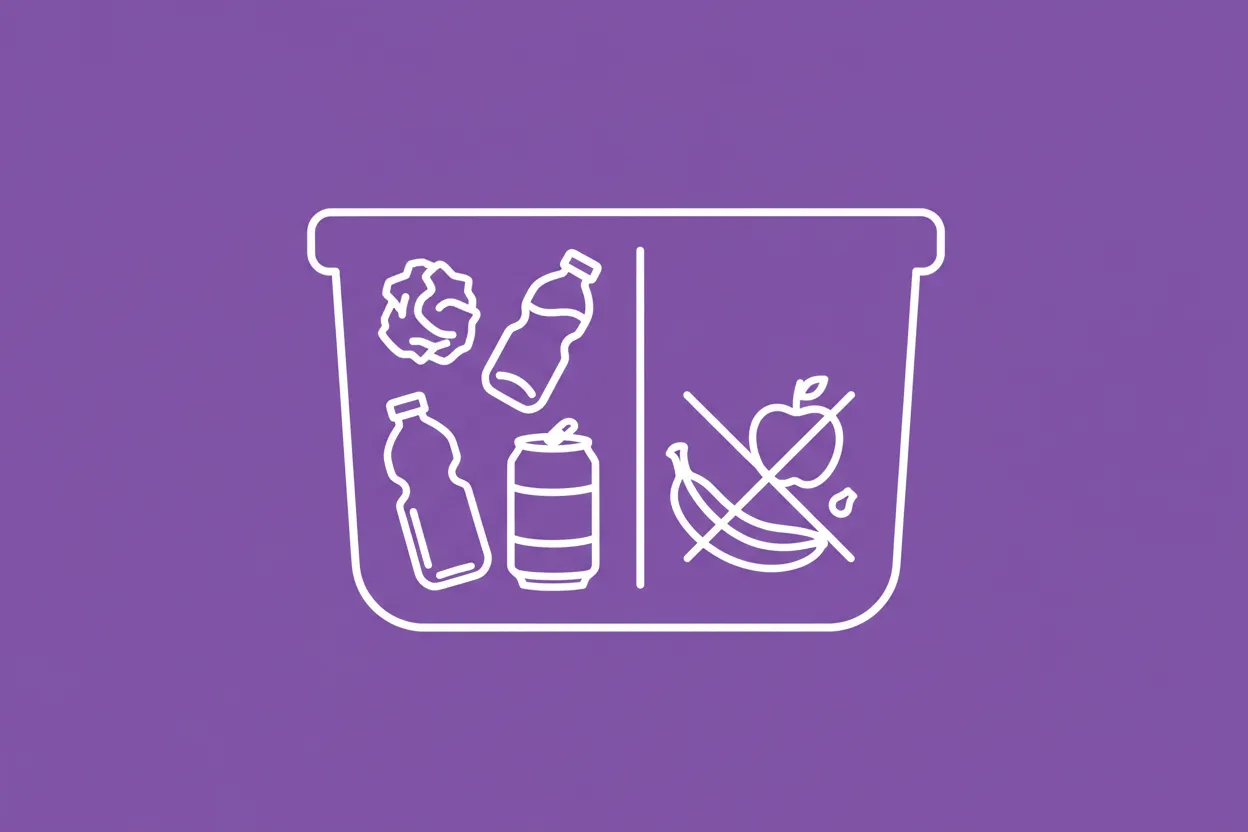
What is dry mixed recycling?
Glossary
Dry Mixed Recycling collects dry recyclables like paper, plastic, metal, and glass in one bin, making recycling easier and boosting circular economy by reducing waste and saving resources.