Oskar Mortensen
Oskar Mortensen is a Content Specialist at Repax who loves turning complicated sustainability rules into something everyone can actually understand. Think of him as your friendly guide through the world of EPR regulations and circularity—breaking down the confusing stuff so you can focus on what really matters for your business. His goal? Making environmental compliance feel less like homework and more like a conversation. When Oskar's not writing helpful content, you'll find him out on the golf course, breathing in that fresh air and enjoying nature's own waste-free system.

Articles by :author:
The latest industry news, interviews, technologies, and resources.
What is rPP (recycled polypropylene)?
Glossary
rPP is recycled polypropylene made from used plastic, reducing waste and saving energy. It supports a circular economy by turning old items into new, eco-friendly products, helping protect the planet.
What is flake recycled plastic?
Glossary
Recycled plastic flakes are small, cleaned pieces of plastic waste used to make new products. They support recycling and circular economy by reducing waste and saving resources.
What is post-industrial waste (pre-consumer waste)?
Glossary
Post-industrial waste is leftover material from manufacturing, cleaner and easier to recycle than post-consumer waste. Recycling it saves resources, supports circular economy, and benefits businesses and the environment.
What is waste diversion?
Glossary
Waste diversion cuts landfill waste by recycling, reusing, and composting. It saves resources, supports jobs, and helps build a circular economy for a cleaner, greener planet.
What is post-consumer waste?
Glossary
Post-consumer waste is what we toss after use, like bottles or paper. Recycling it saves resources and cuts pollution. Try using reusable items or sorting your trash to help the planet!
What is waste management?
Glossary
Waste management safely collects, sorts, recycles, composts, and disposes of waste to protect health and nature. It supports a circular economy, saving resources and reducing pollution.
What is food-grade recyclate?
Glossary
Food-grade recyclate is recycled plastic safe for food packaging. It meets strict hygiene rules, cuts waste, saves resources, and helps create a circular economy in food packaging.
What is municipal solid waste (MSW)?
Glossary
Municipal Solid Waste is everyday trash from homes and businesses. Properly reducing, reusing, recycling, and composting it helps protect the environment and keeps cities clean and healthy.
What is post-consumer recycled content (PCR)?
Glossary
Post-Consumer Recycled Content (PCR) is recycled material from used products, helping reduce waste, save resources, cut energy use, and support a circular economy for a greener planet.
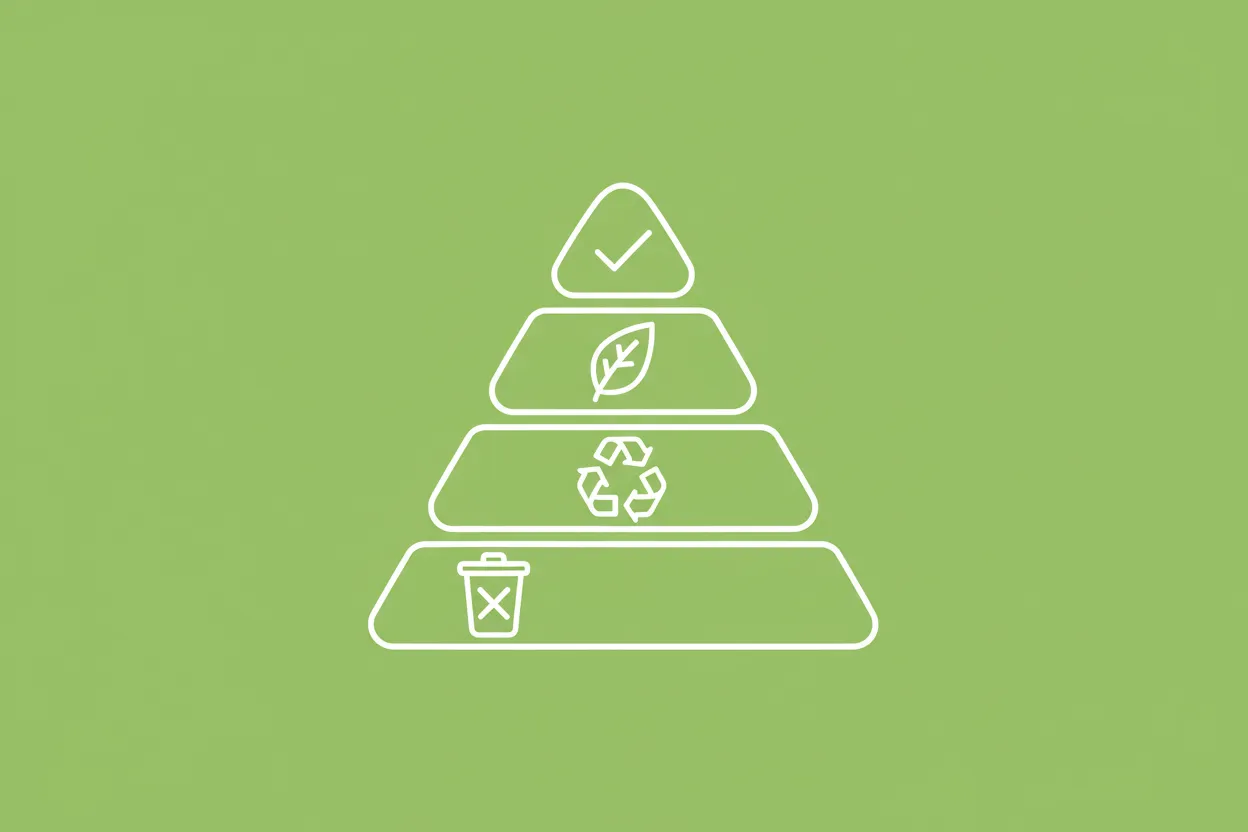
What is waste hierarchy calculation?
Glossary
Waste Hierarchy Calculation ranks waste handling from best to worst: prevent, reuse, recycle, recover, dispose. It measures how well waste is managed to boost circularity and protect the environment.
What is recyclate?
Glossary
Recyclate is recycled material processed to be reused in making new products. It saves resources, cuts pollution, and supports a circular economy by keeping materials in use longer.
What is recyclate quality?
Glossary
Recyclate quality means how clean and pure recycled materials are, affecting their reuse. Better quality saves resources, cuts waste, and supports a healthier planet for all of us.