Oskar Mortensen
Oskar Mortensen is a Content Specialist at Repax who loves turning complicated sustainability rules into something everyone can actually understand. Think of him as your friendly guide through the world of EPR regulations and circularity—breaking down the confusing stuff so you can focus on what really matters for your business. His goal? Making environmental compliance feel less like homework and more like a conversation. When Oskar's not writing helpful content, you'll find him out on the golf course, breathing in that fresh air and enjoying nature's own waste-free system.

Articles by :author:
The latest industry news, interviews, technologies, and resources.
What is polyethylene (PE) in fishing gear?
Glossary
Polyethylene in fishing gear is strong and water-resistant but causes pollution when lost. Recycling and using recycled gear help protect oceans and support a circular economy.
What is polypropylene (PP) in fishing gear?
Glossary
Polypropylene is strong, light, and water-resistant, making it ideal for fishing gear. Its durability reduces waste, but lost gear can pollute oceans. Recycling and smart design boost circularity.
What is fishing gear containing plastic?
Glossary
Plastic fishing gear is strong but can harm oceans when lost, trapping wildlife and breaking into microplastics. Recycling, using alternatives, and sustainable choices help protect marine life.
What is a fish trap?
Glossary
Fish traps catch fish gently, reduce bycatch, and protect habitats. Made from natural, reusable materials, they support sustainability and circular economy by minimizing environmental harm.
What is a fish aggregating device (FAD)?
Glossary
Fish Aggregating Devices (FADs) attract fish to one spot, making fishing easier and more efficient. Sustainable FADs reduce pollution and bycatch, helping protect ocean life while supporting fishing communities.

What is an aquaculture cage?
Glossary
Aquaculture cages raise fish in natural waters using durable nets, promoting sustainable seafood by protecting wild stocks, recycling waste, and supporting healthy fish and ecosystems.
What is nylon (polyamide) in fishing gear?
Glossary
Nylon fishing gear is durable but causes ocean pollution when lost. Recycling nets into new products and making biodegradable gear help reduce waste and protect marine life, promoting circularity.

What is a lobster pot?
Glossary
Lobster pots catch lobsters without harming marine life, using selective, eco-friendly designs. They support ocean health and sustainable fishing, protecting lobsters and local communities.
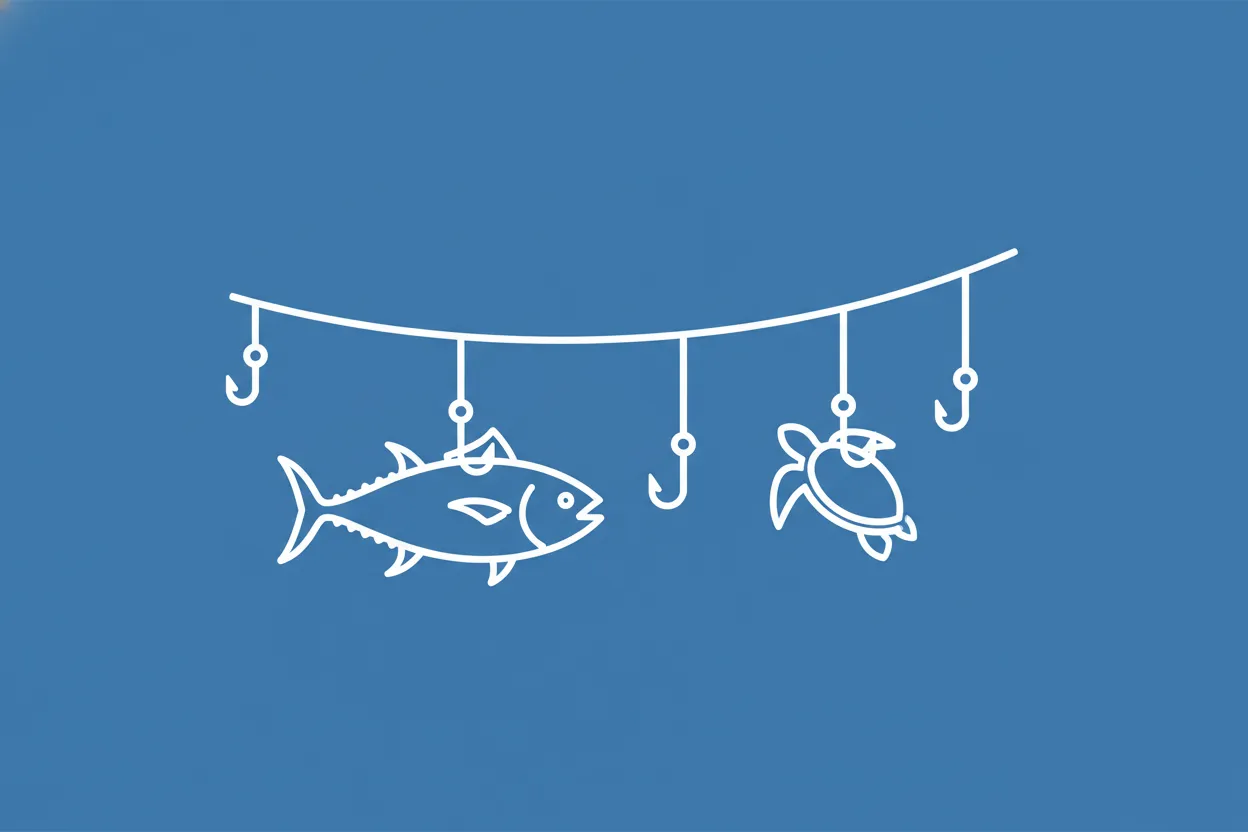
What is longline fishing?
Glossary
Longline fishing uses long lines with many hooks to catch fish but can harm other sea animals and fish stocks. Sustainable practices and rules help protect ocean life and ensure future fish supply.

What is a dolly rope?
Glossary
Dolly rope is a natural, biodegradable rope made from plant fibers like hemp. It supports sustainability by reducing plastic waste and fits well within circular economy goals.
What is a crab pot?
Glossary
Crab pots catch crabs sustainably by reducing habitat damage, limiting bycatch, and lasting many uses. They support circular economy and protect marine life when used responsibly.
What is a creel?
Glossary
Creels hold and feed yarn smoothly in textile production, reducing waste and energy use. They support recycling and circularity by turning old fibers into new fabric, helping make fashion more sustainable.