Our blog
Glossary
Key terms and definitions related to circularity, environmental responsibility, and sustainable practices - explained simply and clearly.
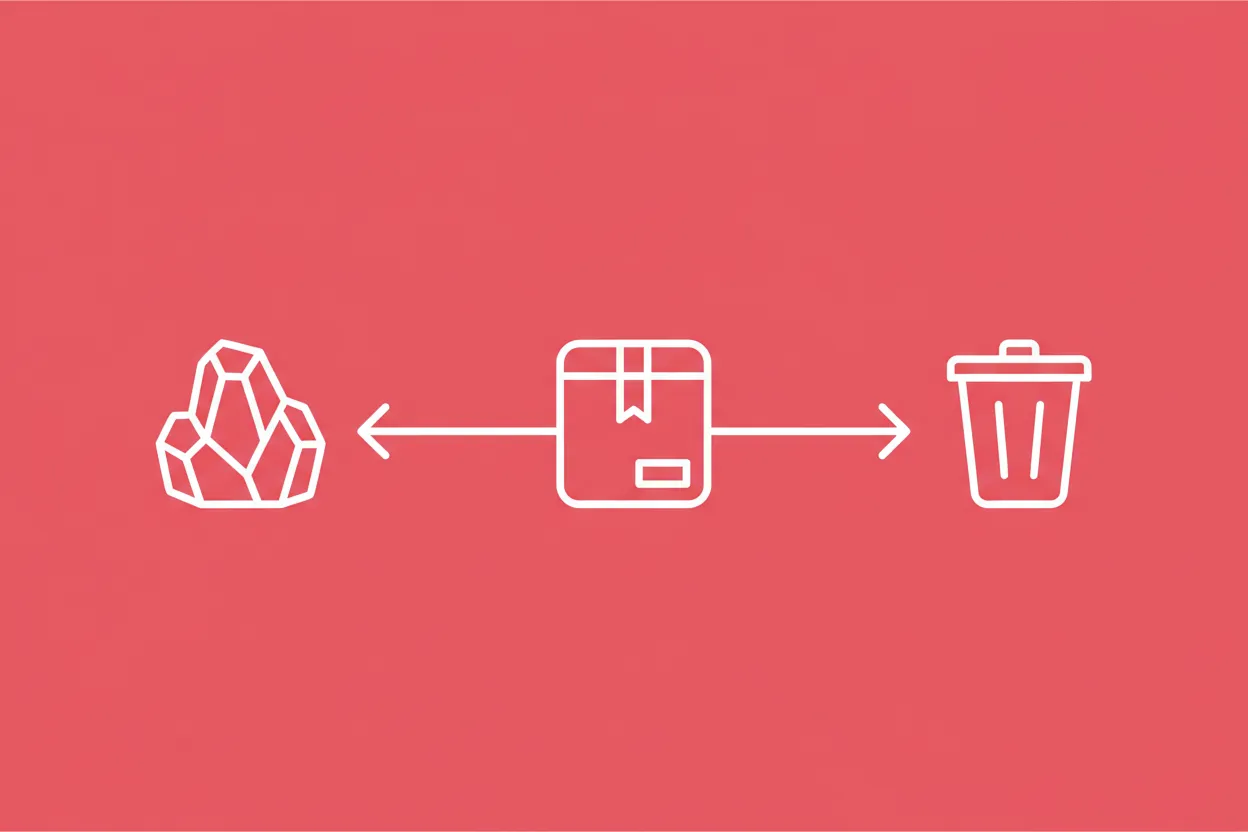
What is a linear economy?
A linear economy takes resources, makes products, then discards them as waste. It wastes materials, harms the environment, and misses recycling chances, unlike circular models that reuse resources.

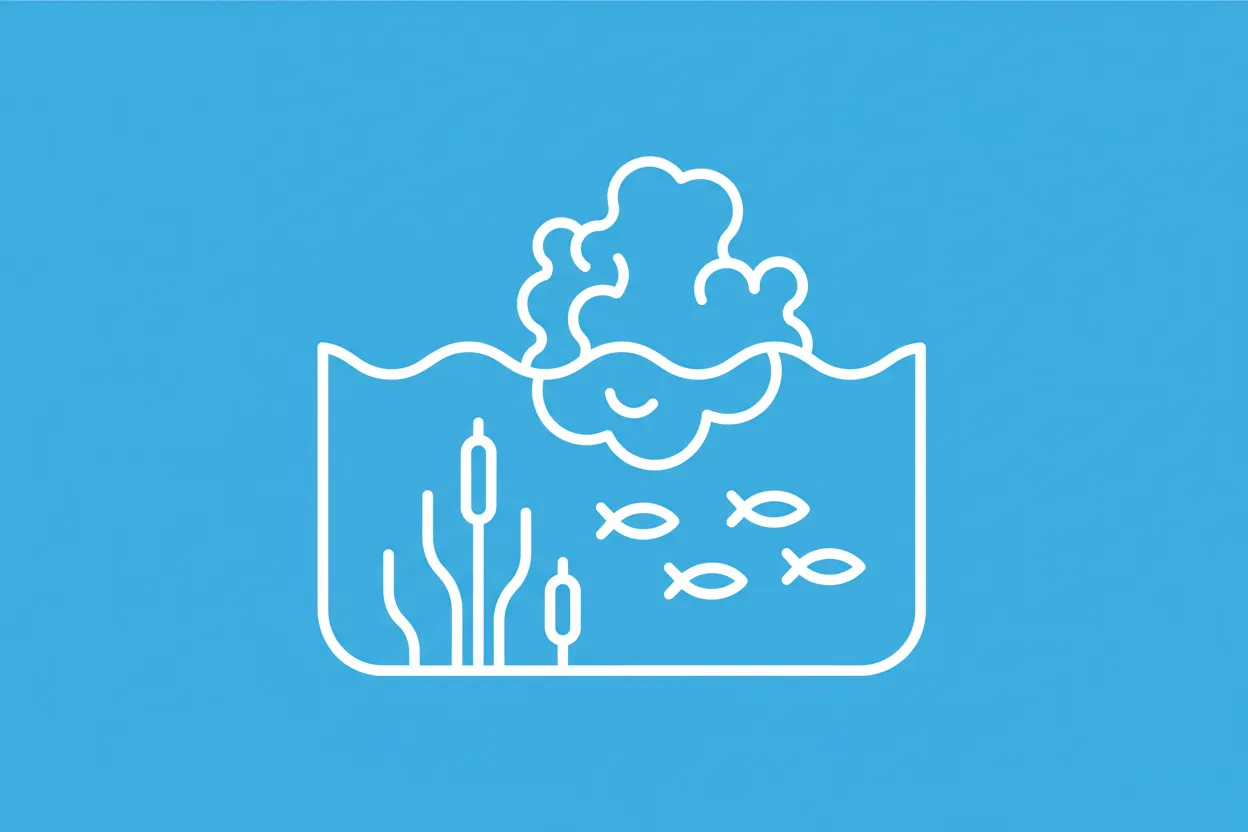
What is eutrophication?
Eutrophication is excess nutrients in water causing algae blooms, which use oxygen and harm fish. It’s often from farming and sewage but can be slowed by better practices and policies.
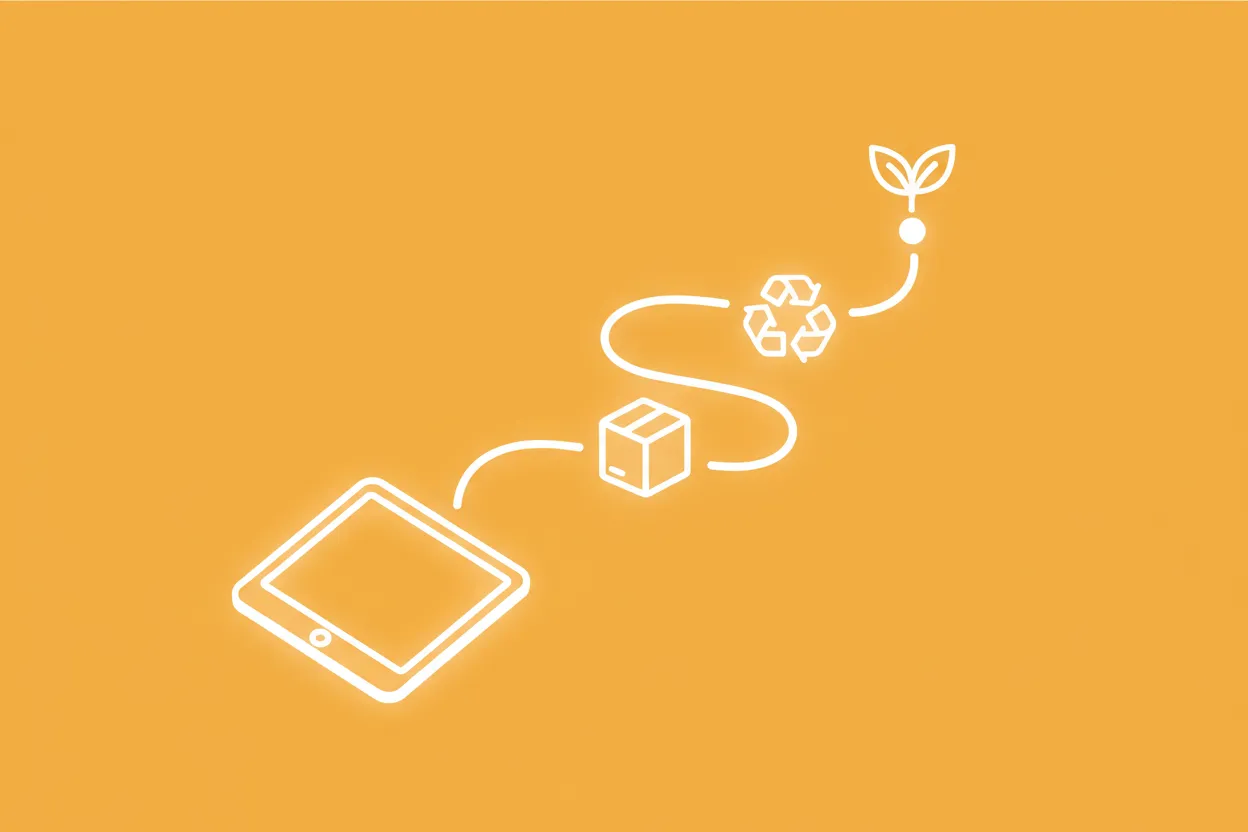
What is blockchain for circularity?
Blockchain helps track materials through a product’s life, ensuring trust, reducing waste, and boosting recycling. It creates digital histories that support smarter, sustainable choices for a circular future.
What is a life cycle inventory (LCI)?
Life Cycle Inventory (LCI) tracks all resources used and waste made during a product’s life. It helps businesses and consumers reduce environmental harm and supports a circular, sustainable future.
What is gate-to-gate assessment?
Gate-to-Gate Assessment measures environmental impact during one production stage, helping companies reduce resource use, waste, and pollution for more sustainable, efficient processes.
What is the right to repair?
The Right to Repair helps people fix products, saving money and reducing waste. It supports a circular economy by keeping items longer, cutting pollution, and conserving resources. Why not try repairing next time?
What is sustainable procurement?
Sustainable procurement means buying goods that protect the environment, support fair labor, and boost the economy, helping reduce waste, pollution, and unfair practices for a better future.
What are renewable materials?
Renewable materials come from plants or animals that regrow quickly, like wood or cotton. They reduce waste, lower emissions, support recycling, and help protect the environment for the future.
What are finite resources?
Start by recycling more, using energy-efficient products, and choosing items made from recycled materials. Small changes like turning off lights help save finite resources and protect the planet.