Our blog
Glossary
Key terms and definitions related to circularity, environmental responsibility, and sustainable practices - explained simply and clearly.

What is a wash plant?
A wash plant cleans raw or recycled materials, boosting quality and enabling reuse. It reduces waste, conserves water, and supports circular economy by turning waste into valuable resources.

What is kerbside collection (curbside recycling)?
Kerbside collection picks up recyclables from homes, making recycling easy and boosting participation. It reduces landfill waste, supports a circular economy, and helps protect the environment.
What is mixed waste?
Mixed waste mixes different trash, making recycling tough and harming the environment. Sorting waste properly saves resources, cuts pollution, and supports a cleaner, circular economy.
What is a material recovery facility (MRF)?
A Material Recovery Facility sorts mixed recyclables like plastics, paper, and metals, turning waste into new products. This supports recycling, saves resources, and helps protect the planet.
What is a reprocessor?
A reprocessor cleans and processes used materials, mainly plastics, turning them into raw materials for new products. They help reduce waste, save resources, and support a circular, sustainable economy.
What is a reverse vending machine?
Reverse Vending Machines make recycling easy and rewarding by accepting bottles and cans, sorting them for reuse, reducing waste, and supporting a cleaner environment and circular economy.
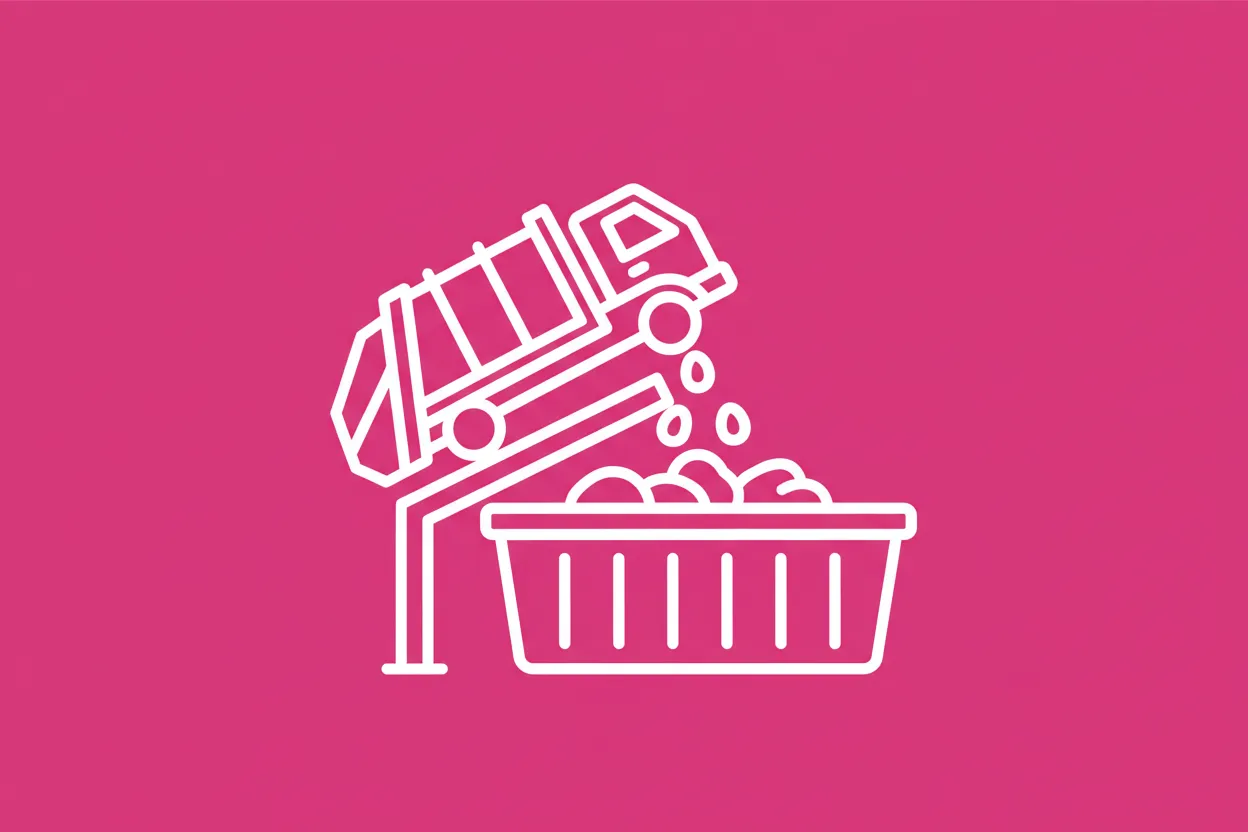
What is a waste transfer station?
Waste Transfer Stations hold and sort waste from small trucks, then load it onto bigger ones for efficient transport. They support recycling, reduce pollution, and help communities manage waste sustainably.
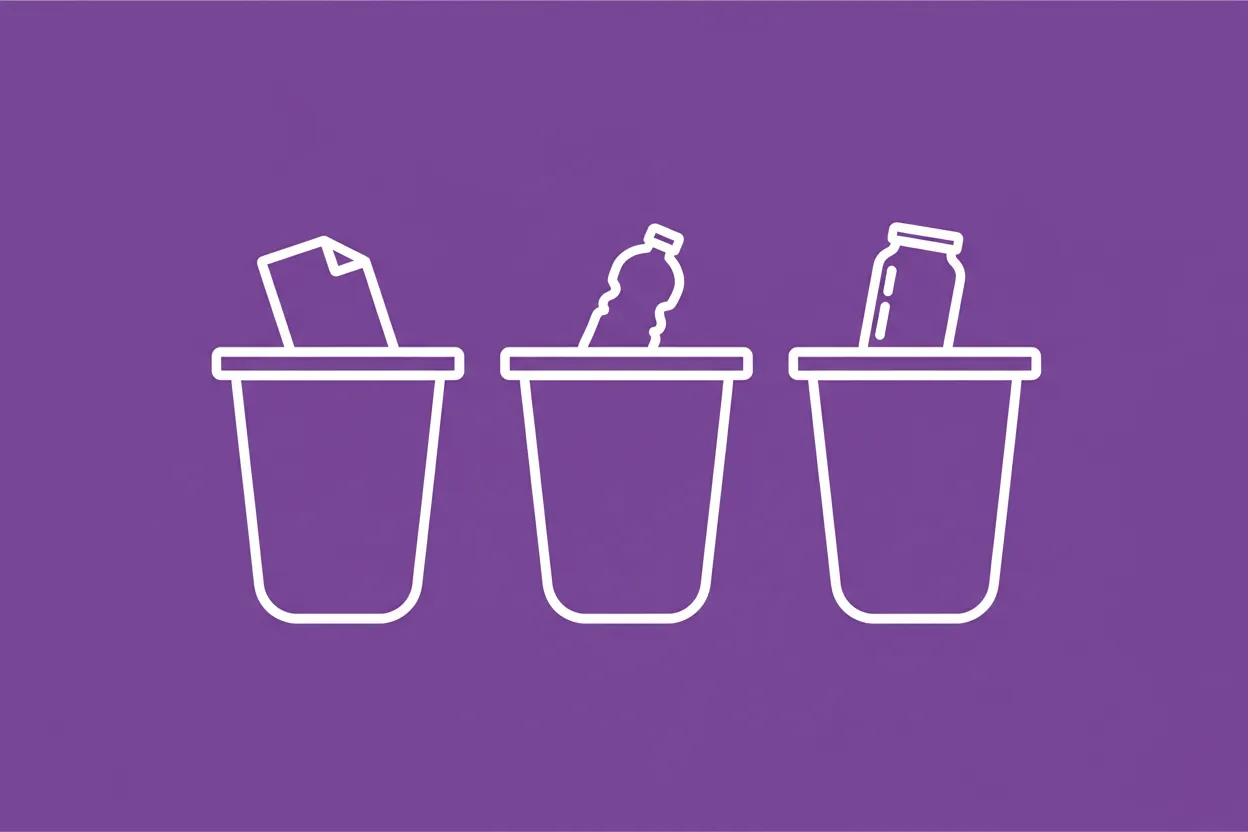
What is separate collection?
Separate collection means sorting waste by type (paper, plastic, organic) to boost recycling, reduce pollution, save resources, cut landfill use, and support a greener, circular economy.
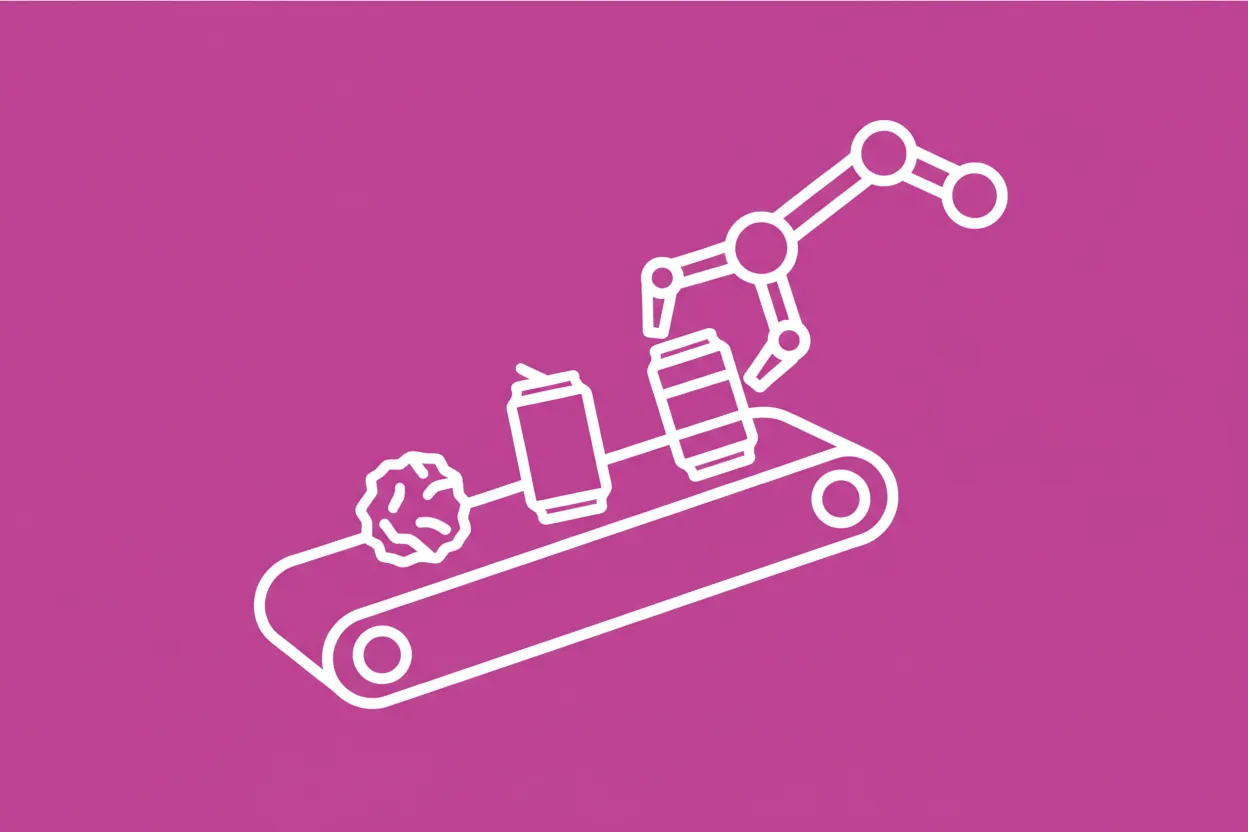
What is a sorting facility?
Sorting facilities separate mixed recyclables like plastic, paper, and metal using machines and workers. This improves recycling quality, saves energy, reduces waste, and supports a circular economy.