Our blog
Glossary
Key terms and definitions related to circularity, environmental responsibility, and sustainable practices - explained simply and clearly.
What is dry mixed recycling?
Dry Mixed Recycling collects dry recyclables like paper, plastic, metal, and glass in one bin, making recycling easier and boosting circular economy by reducing waste and saving resources.

What is contamination rate in recycling?
Contamination rate is how much wrong or dirty stuff mixes with recyclables. Keeping it low means cleaner recycling, saving resources, reducing waste, and supporting a circular economy.
What is a recycling target?
Recycling targets set clear goals to boost recycling, save energy, cut pollution, and support a circular economy. They unite governments, businesses, and citizens for a cleaner planet.
What is collection rate?
Collection rate shows the percentage of waste collected for recycling. Higher rates mean less pollution, more resource reuse, and progress toward a circular economy. Easy recycling boosts these rates.

What is sortation?
Sortation separates materials like plastics, metals, and paper so they can be recycled properly. It boosts recycling efficiency, saves resources, and supports a circular economy for a cleaner planet.
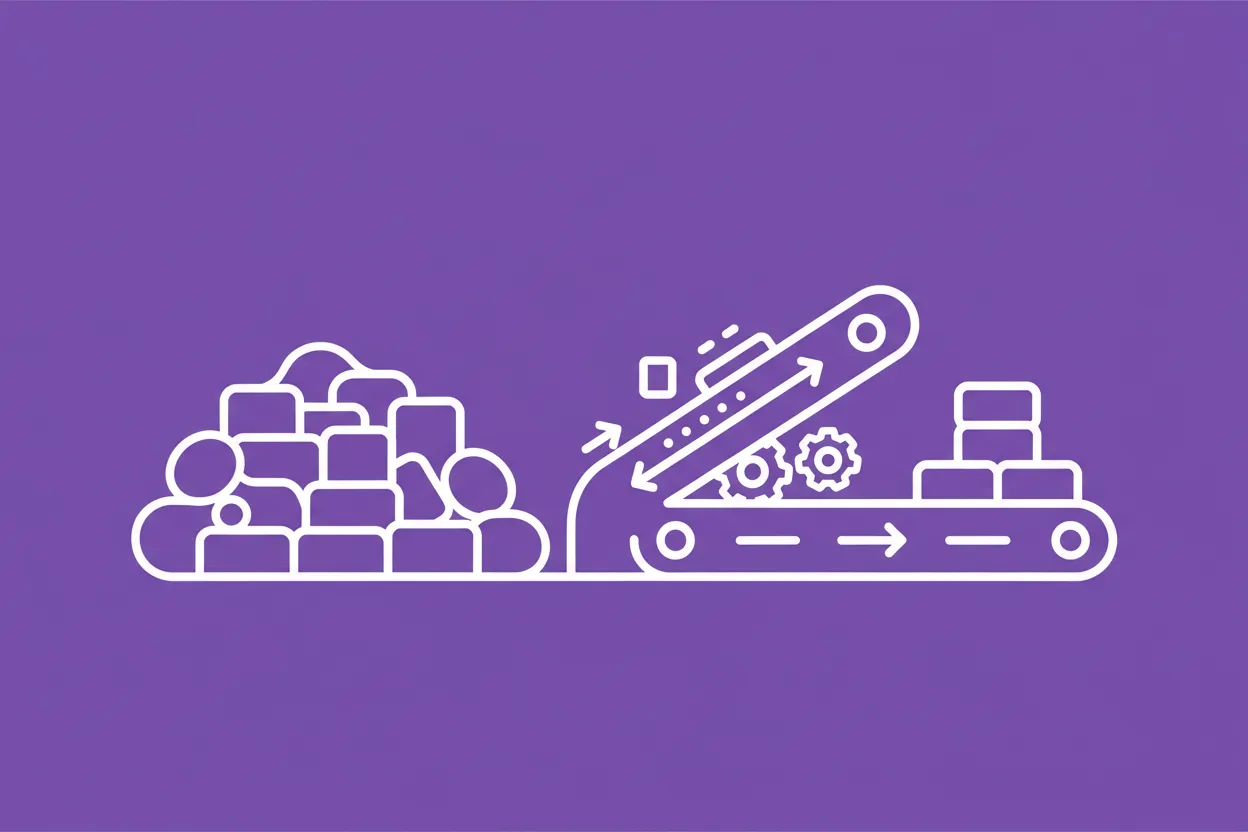
What is yield rate?
Yield rate shows how much useful material we get from what we start with. Higher yield means less waste and better recycling. You can improve it by sorting waste well and reducing contamination.
What is residual waste?
Residual waste is leftover trash that can't be recycled or composted easily. Reducing it by sorting better and choosing sustainable products helps protect the environment and save resources.
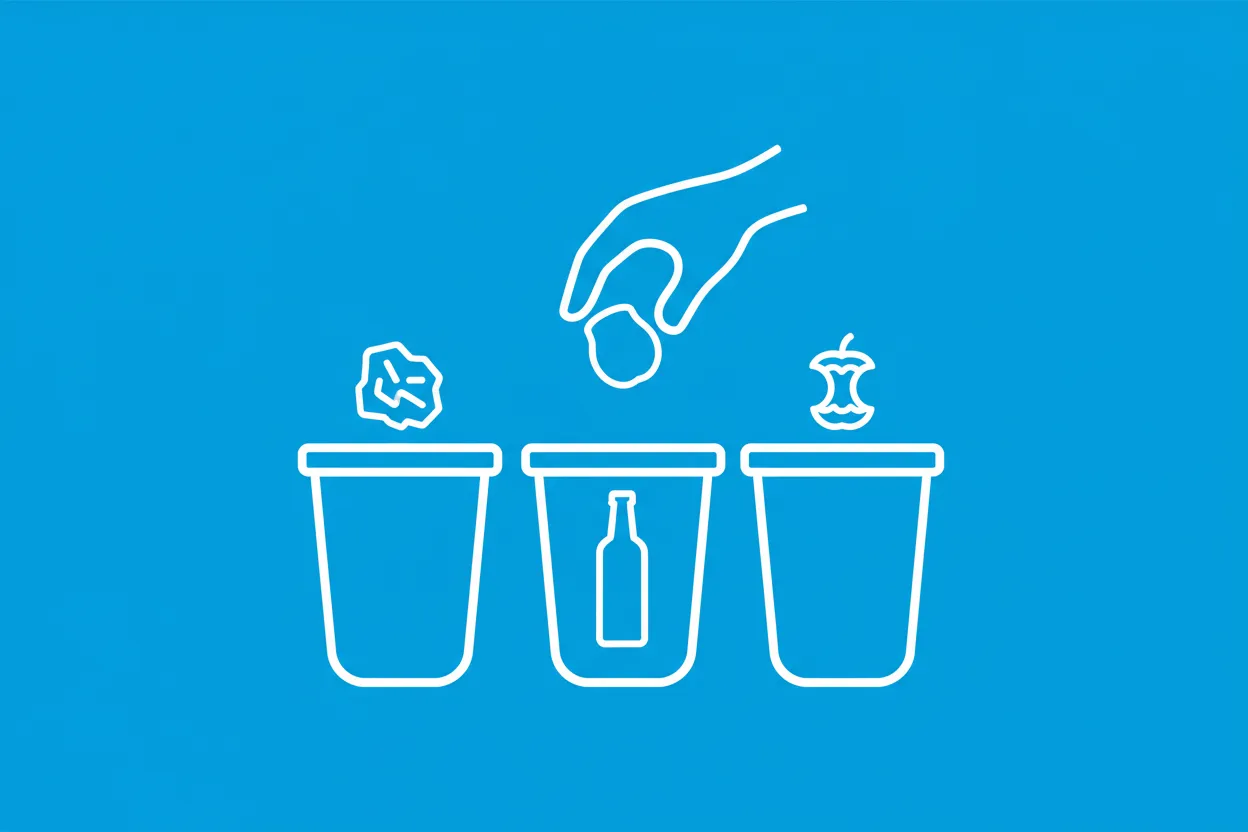
What is source sorting?
Source sorting means separating waste like paper, plastic, and food right where it's made. This helps recycling work better, saves energy, cuts pollution, and supports a circular, eco-friendly economy.
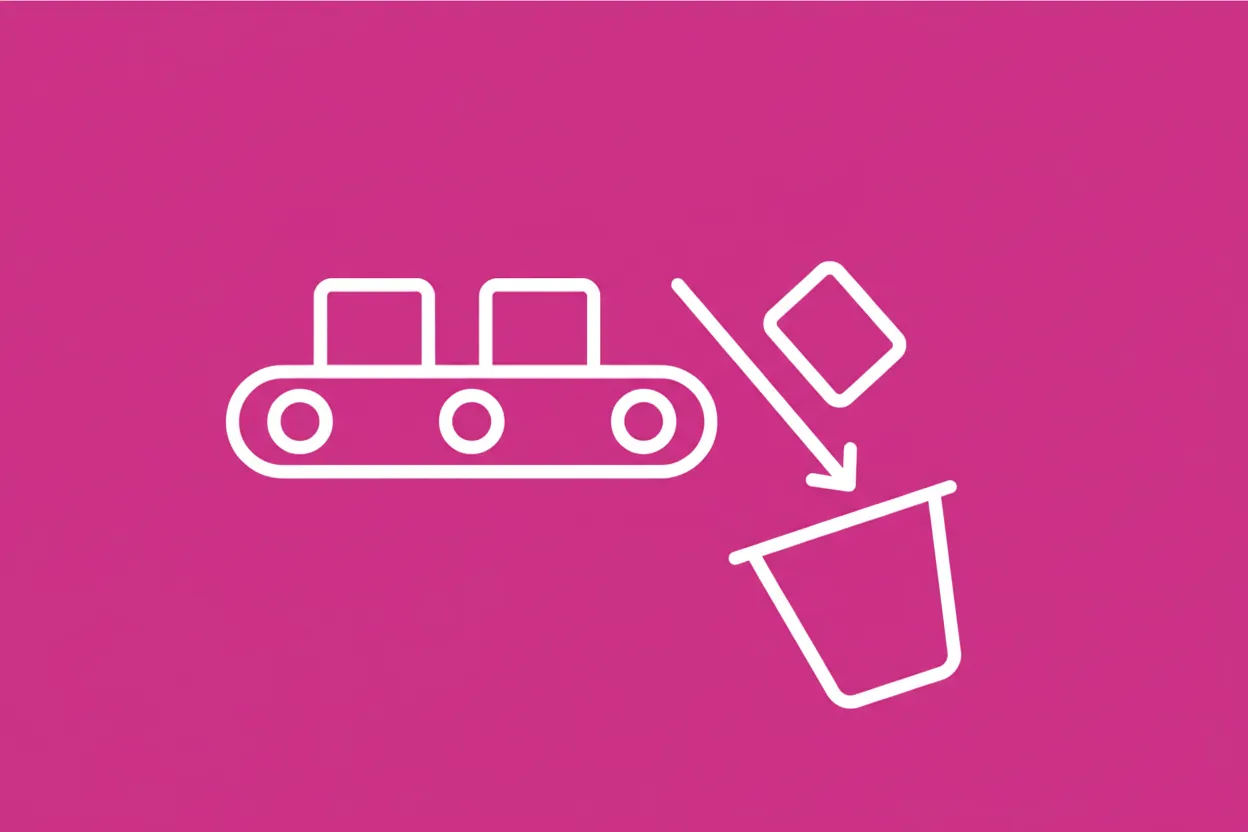
What is reject rate?
Reject rate shows how much product or material is wasted during production or recycling. Lowering it saves resources, cuts emissions, reduces waste, and supports a circular, sustainable economy.