Oskar Mortensen
Oskar Mortensen is a Content Specialist at Repax who loves turning complicated sustainability rules into something everyone can actually understand. Think of him as your friendly guide through the world of EPR regulations and circularity—breaking down the confusing stuff so you can focus on what really matters for your business. His goal? Making environmental compliance feel less like homework and more like a conversation. When Oskar's not writing helpful content, you'll find him out on the golf course, breathing in that fresh air and enjoying nature's own waste-free system.

Articles by :author:
The latest industry news, interviews, technologies, and resources.
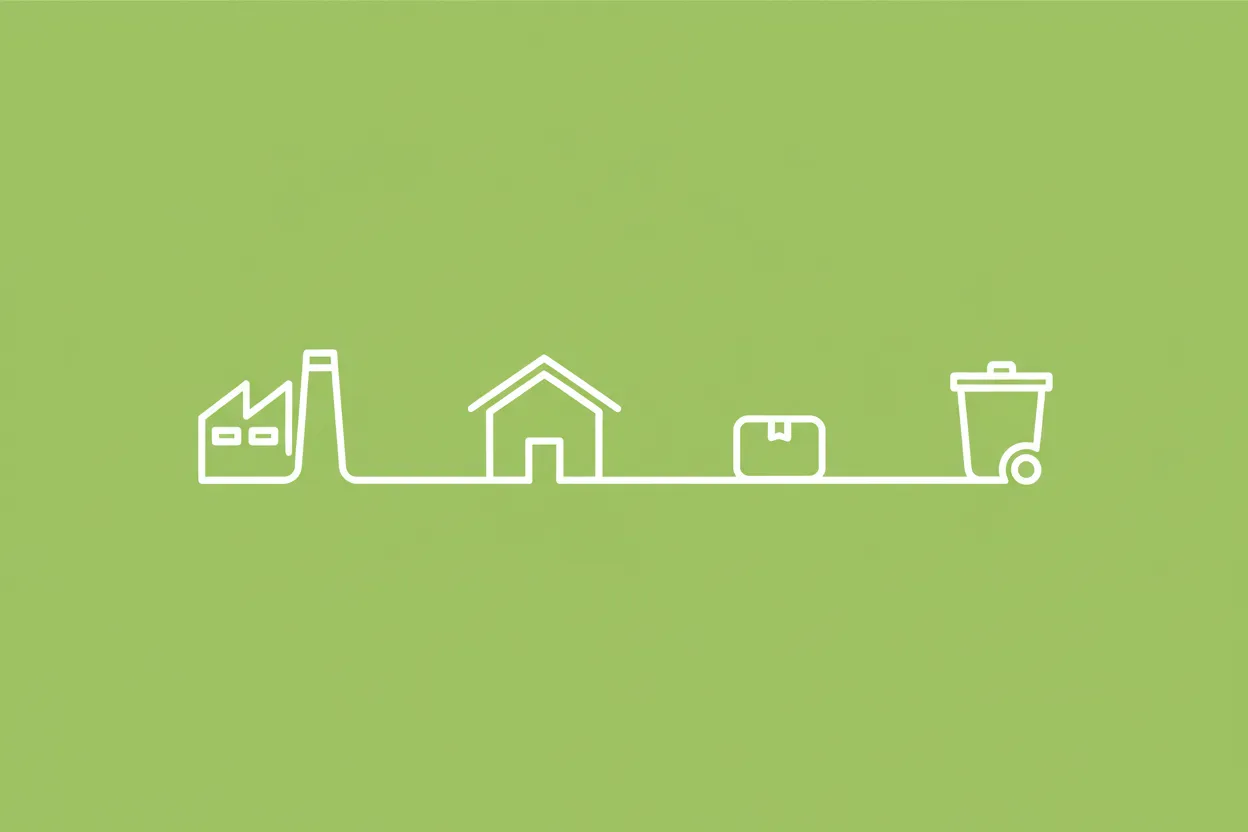
What is cradle to grave?
Glossary
Cradle-to-Grave tracks a product’s full life—from making to use to disposal—showing its total environmental impact. It helps us make smarter, greener choices and reduce waste.
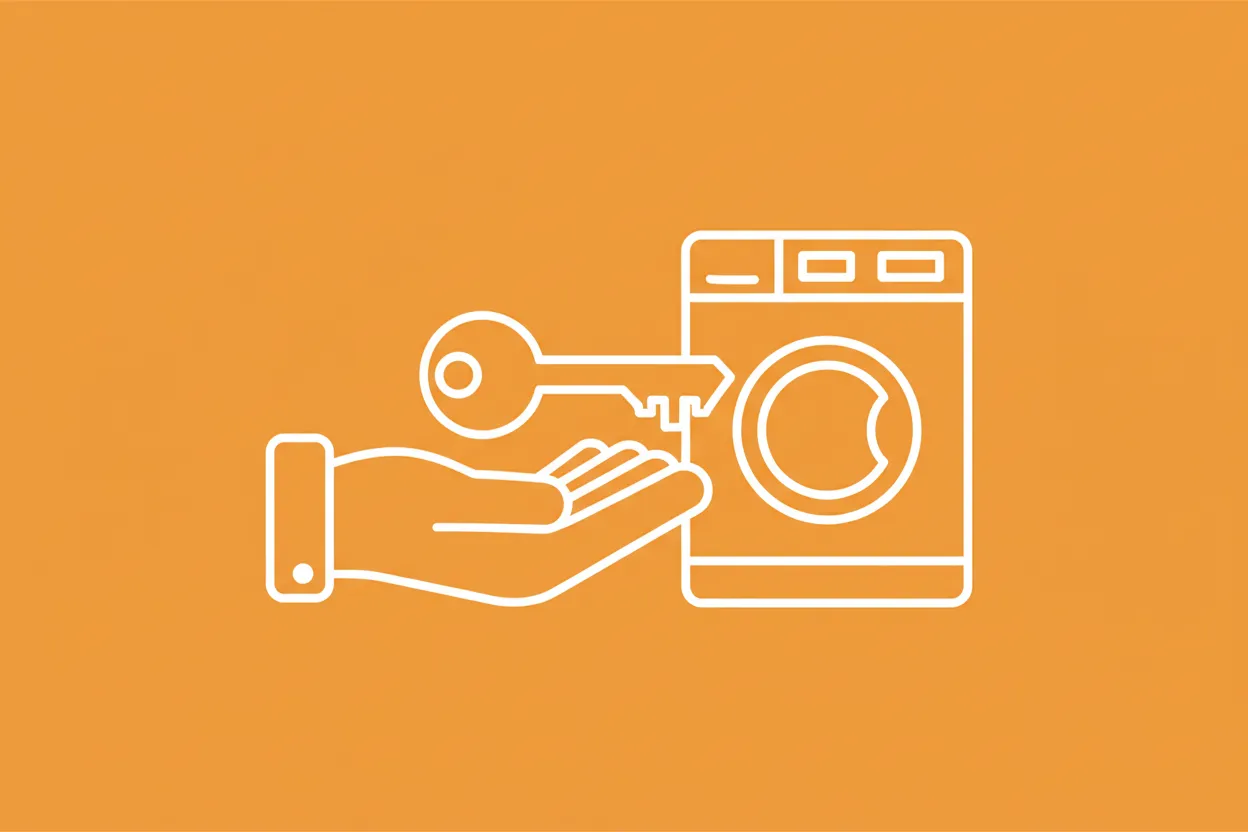
What is product as a service?
Glossary
Product-as-a-Service means renting or sharing products instead of owning them, making products last longer, reducing waste, and supporting a circular economy for a greener, smarter future.
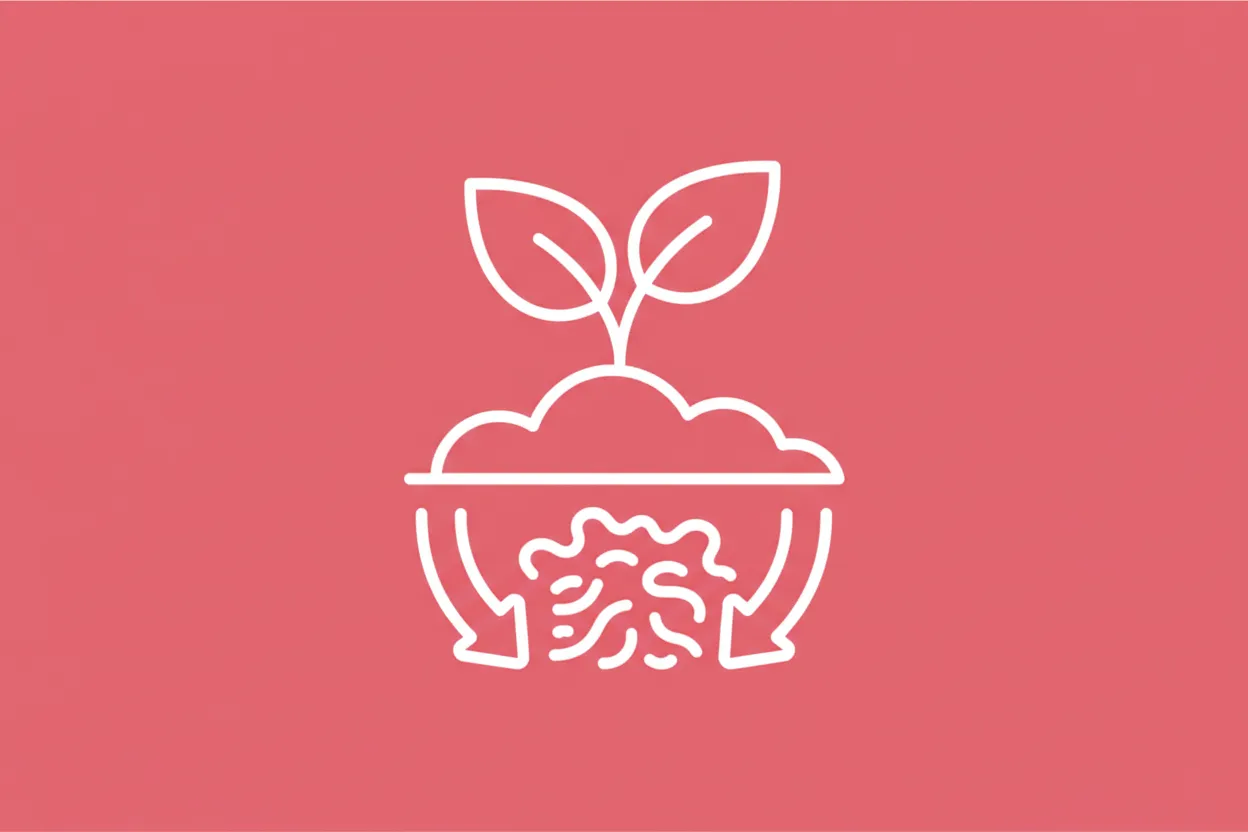
What is cradle-to-cradle (C2C)?
Glossary
Cradle-to-Cradle designs products to be safe, recyclable, and waste-free, creating a circular system like nature’s cycle. It supports sustainability, health, and a thriving environment.

What is climate positive?
Glossary
Climate positive means removing more carbon than we emit, helping the planet by cutting emissions, using renewables, planting trees, and supporting circular economy principles.
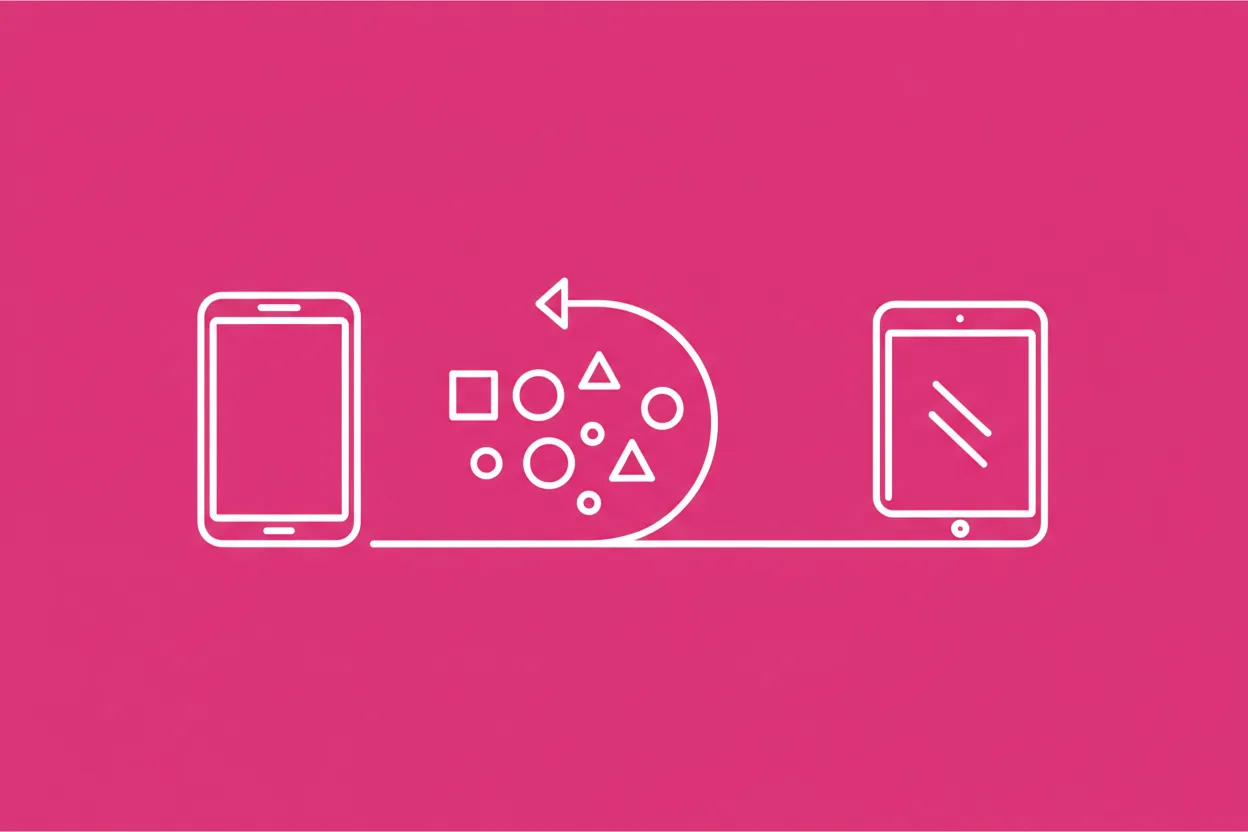
What is a circular supply chain?
Glossary
A circular supply chain keeps materials moving by reusing, repairing, and recycling products, cutting waste and saving resources. It’s a smart way to protect nature and build a sustainable future.
What is industrial symbiosis?
Glossary
Industrial symbiosis helps industries share waste and resources, cutting pollution, saving money, and boosting circular economy efforts by turning waste into new opportunities.
What is a linear economy?
Glossary
A linear economy takes resources, makes products, then discards them as waste. It wastes materials, harms the environment, and misses recycling chances, unlike circular models that reuse resources.
What is industrial ecology?
Glossary
Industrial Ecology helps industries work together, sharing resources and waste, to reduce pollution, save costs, and keep materials in use—supporting a circular, sustainable future.
What is a circular business model?
Glossary
A circular business model reduces waste by designing lasting, repairable products, recycling materials, sharing items, and using waste as resources—saving money and protecting the environment.
What is the sharing economy?
Glossary
The sharing economy helps reduce waste and pollution by sharing goods, services, or spaces instead of owning them. It saves money, protects resources, and builds stronger, connected communities.
What is eutrophication?
Glossary
Eutrophication is excess nutrients in water causing algae blooms, which use oxygen and harm fish. It’s often from farming and sewage but can be slowed by better practices and policies.
What is acidification potential?
Glossary
Acidification potential measures how much sulfur dioxide and nitrogen oxides a product or activity releases, causing acid rain that harms ecosystems, buildings, and air quality. Reducing it supports sustainability.