Oskar Mortensen
Oskar Mortensen is a Content Specialist at Repax who loves turning complicated sustainability rules into something everyone can actually understand. Think of him as your friendly guide through the world of EPR regulations and circularity—breaking down the confusing stuff so you can focus on what really matters for your business. His goal? Making environmental compliance feel less like homework and more like a conversation. When Oskar's not writing helpful content, you'll find him out on the golf course, breathing in that fresh air and enjoying nature's own waste-free system.

Articles by :author:
The latest industry news, interviews, technologies, and resources.

What are microplastics?
Glossary
Microplastics are tiny plastic pieces from broken waste and products. They harm wildlife and may affect humans. Preventing pollution by reducing plastic use and supporting recycling helps protect health and nature.
What is recovered paper?
Glossary
Recovered paper is used paper collected and recycled to make new products. It saves trees, water, energy, reduces waste, supports a circular economy, and helps protect the environment.
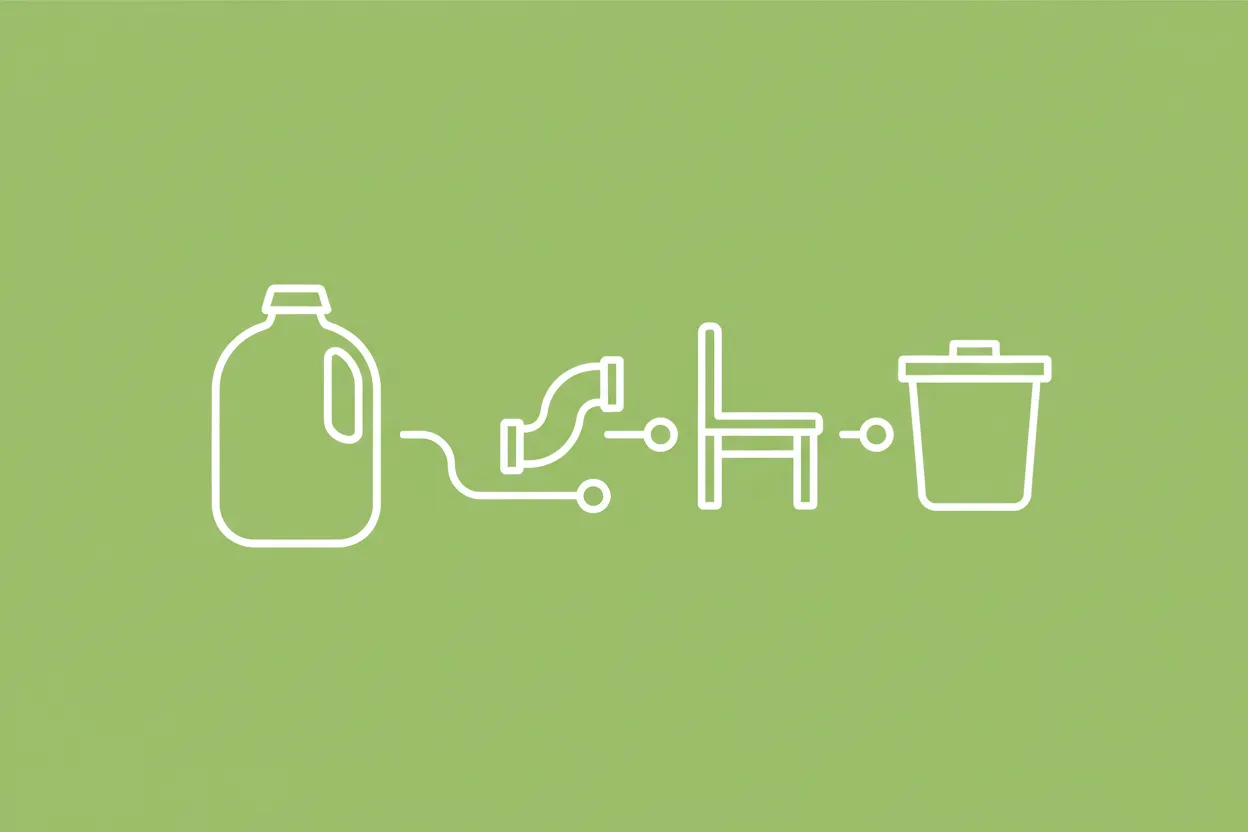
What is rHDPE (recycled HDPE)?
Glossary
rHDPE is recycled HDPE plastic from items like bottles, reused to make new products. It saves energy, cuts waste, supports recycling, and helps protect the environment in a circular economy.
What is regranulate?
Glossary
Regranulate is recycled plastic melted into small pellets, making it easier to reuse in new products. It saves resources, cuts pollution, and supports a circular economy.
What is materials reclamation?
Glossary
Materials reclamation means recovering useful parts from waste to reuse them, saving energy and reducing pollution. You can reclaim items like paper, metal, glass, and plastics at home.
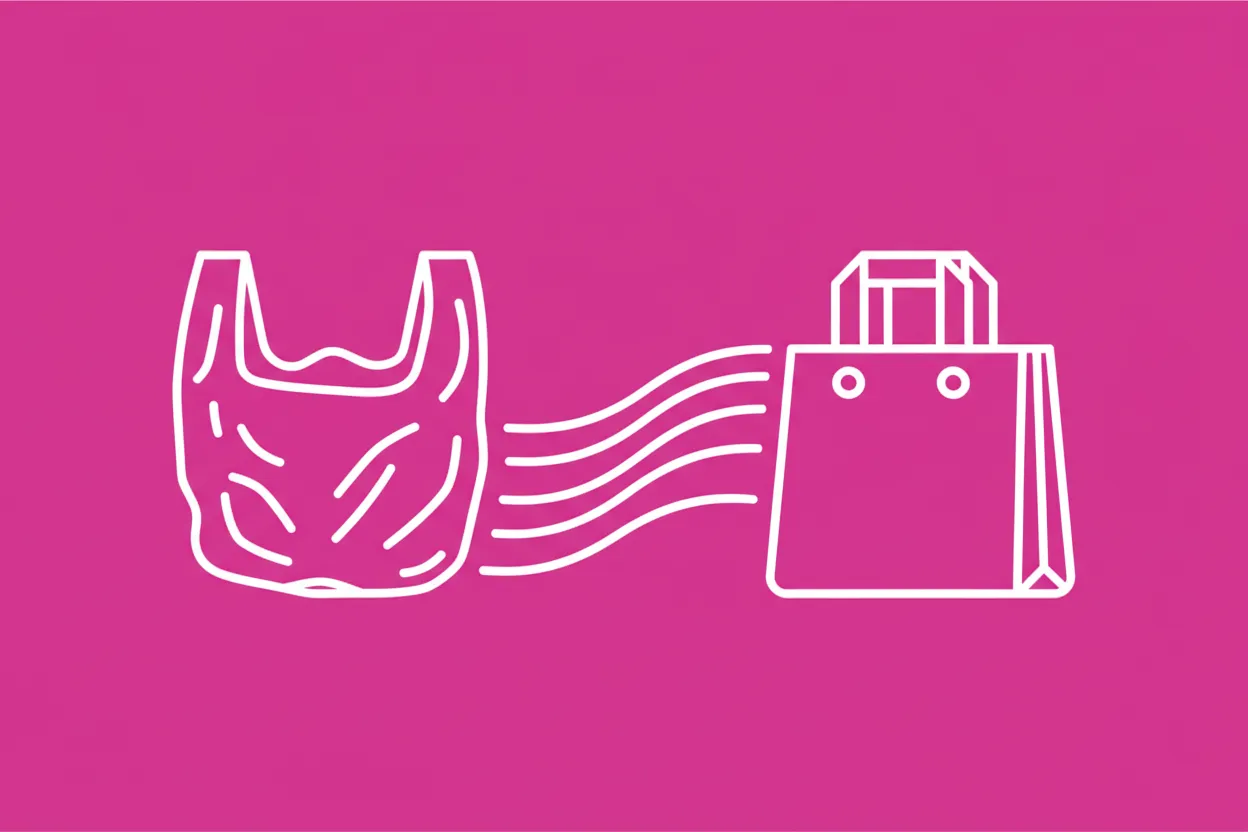
What is rLDPE (recycled LDPE)?
Glossary
rLDPE is recycled low-density polyethylene, made by cleaning and reprocessing used LDPE plastic. It reduces waste, saves resources, lowers pollution, and supports a circular economy.
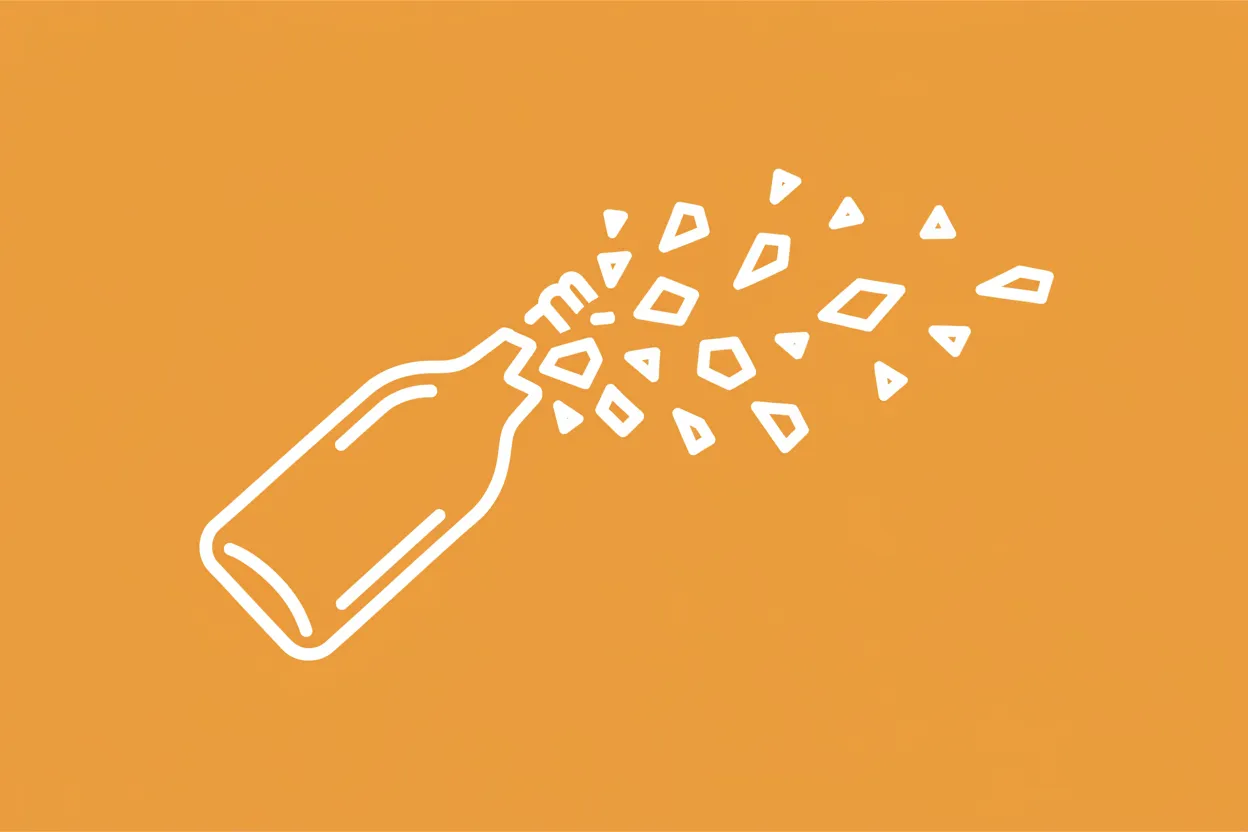
What is recycled glass cullet?
Glossary
Recycled glass cullet is crushed glass reused to make new products, saving energy, reducing raw material use, cutting pollution, and supporting a circular, sustainable economy.
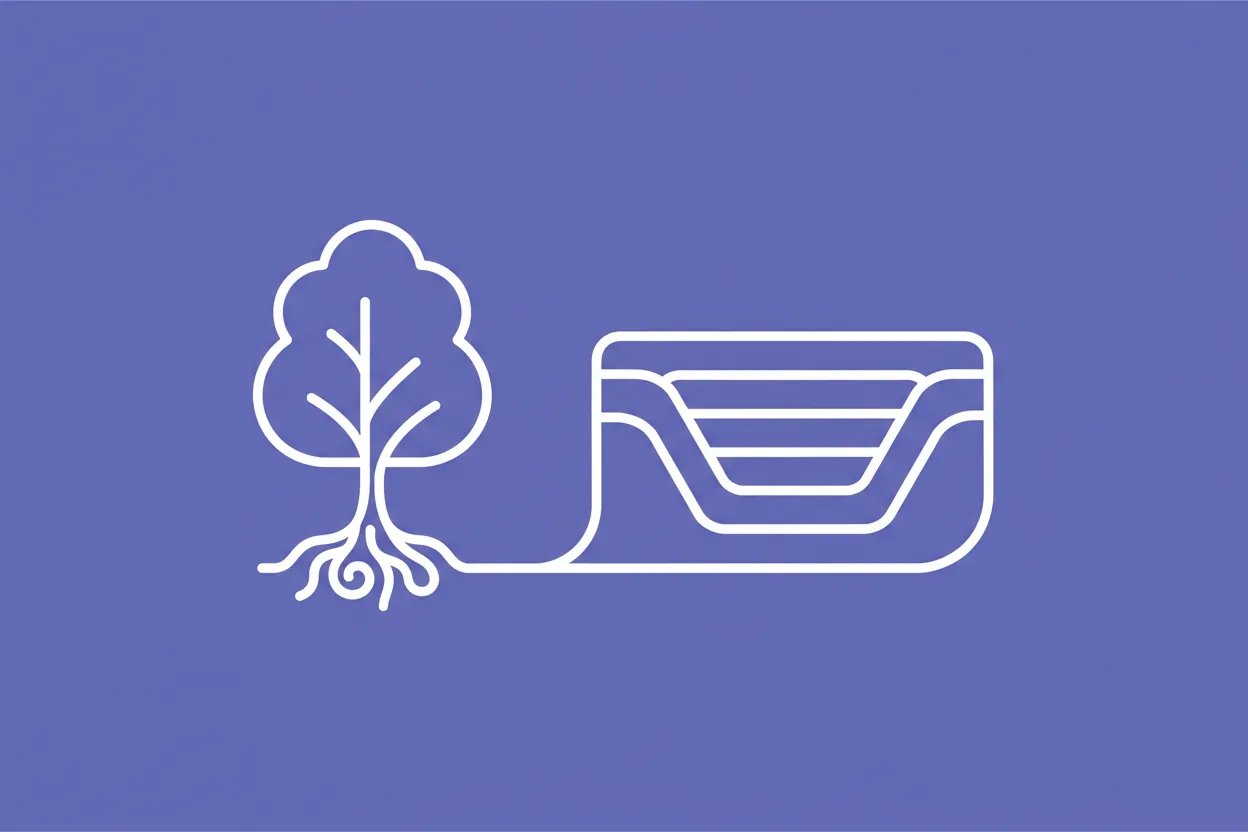
What is virgin material?
Glossary
Virgin materials are new natural resources used to make products. They’re essential but can harm the environment, so recycling and sustainable sourcing help reduce their impact and support circularity.
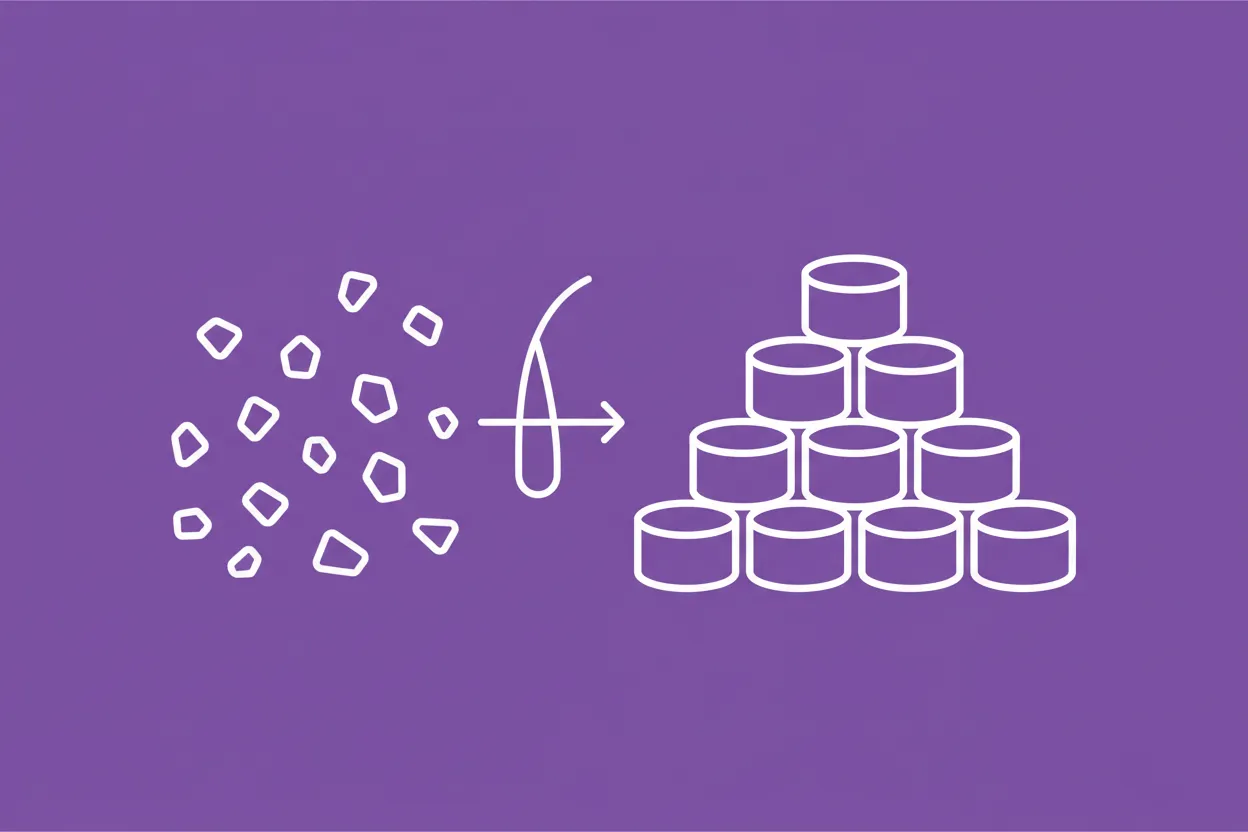
What is pelletisation?
Glossary
Pelletisation compresses small waste particles into uniform pellets, easing transport and recycling. It boosts sustainability by turning waste into fuel, fertilizer, or raw materials for a circular economy.
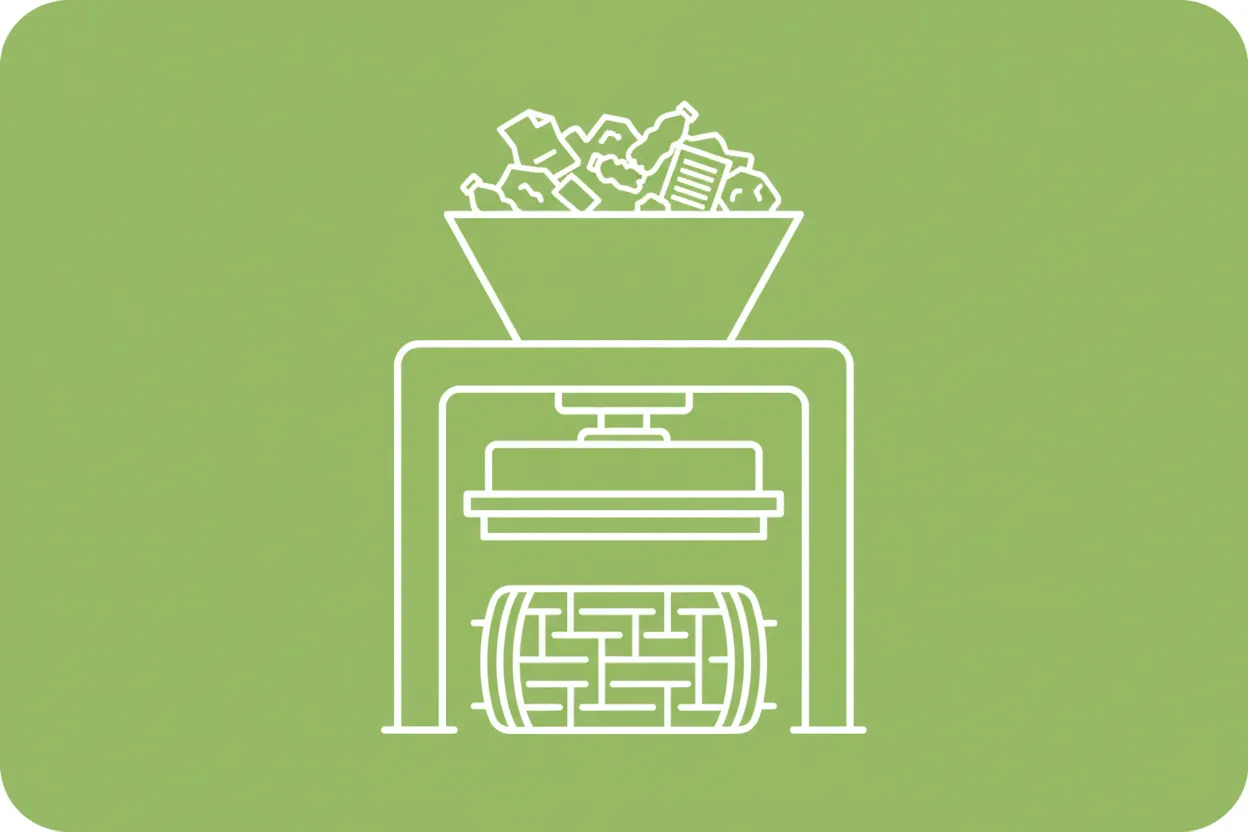
What is baling of recyclable materials?
Glossary
Baling compresses recyclables into dense blocks, saving space, cutting transport emissions, protecting materials, and boosting recycling efficiency—key for a circular, sustainable economy.
What is secondary raw material?
Glossary
Secondary raw materials come from recycled products, reducing the need for new resources. Using them saves energy, cuts pollution, and supports a circular economy for a greener planet.
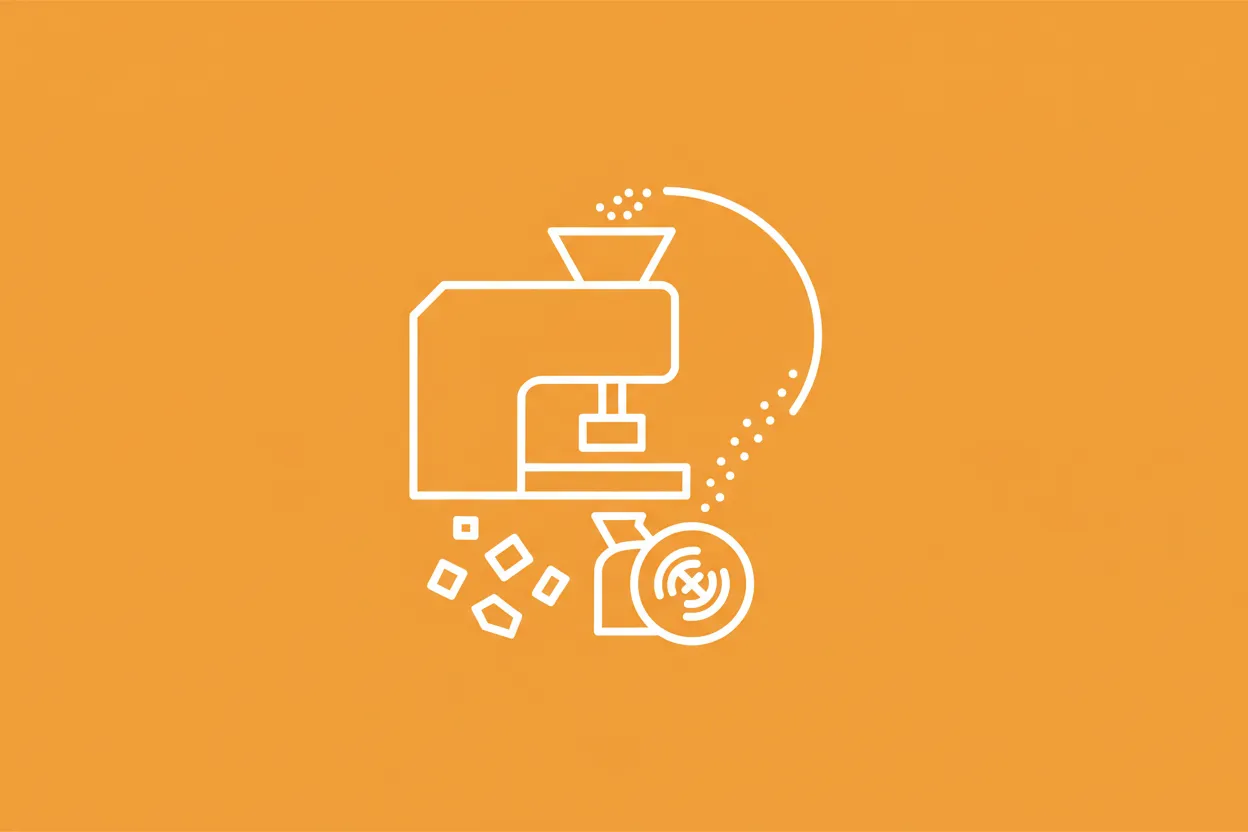
What is regrind?
Glossary
Regrind recycles scraps into new materials, cutting waste and energy use. It’s a smart, eco-friendly way to make everyday products like packaging and furniture more sustainable.