Our blog
Glossary
Key terms and definitions related to circularity, environmental responsibility, and sustainable practices - explained simply and clearly.

What is planned obsolescence?
Planned obsolescence makes products wear out fast, boosting waste and resource use. Choosing durable items, supporting repairs, and buying less helps reduce environmental harm and supports circular economy.

What are biodegradable materials?
Biodegradable materials break down naturally, reducing waste and pollution. They support a circular economy by returning to nature safely. Choosing them helps protect the planet and cut landfill piles.
What is recyclability?
Recycling more carefully by sorting waste correctly and choosing products with recyclable packaging can boost recyclability, reduce waste, save resources, and protect the planet.

What is a functional unit in LCA?
A Functional Unit in LCA defines the exact function a product provides, like “protecting 1 kg of food,” ensuring fair, clear environmental impact comparisons focused on real use and sustainability.
What is industrial ecology?
Industrial Ecology helps industries work together, sharing resources and waste, to reduce pollution, save costs, and keep materials in use—supporting a circular, sustainable future.

What is cradle-to-cradle certification?
Cradle-to-Cradle Certification ensures products are safe, reusable, made with clean energy, conserve water, and support fair work, helping keep resources in a positive, circular flow.
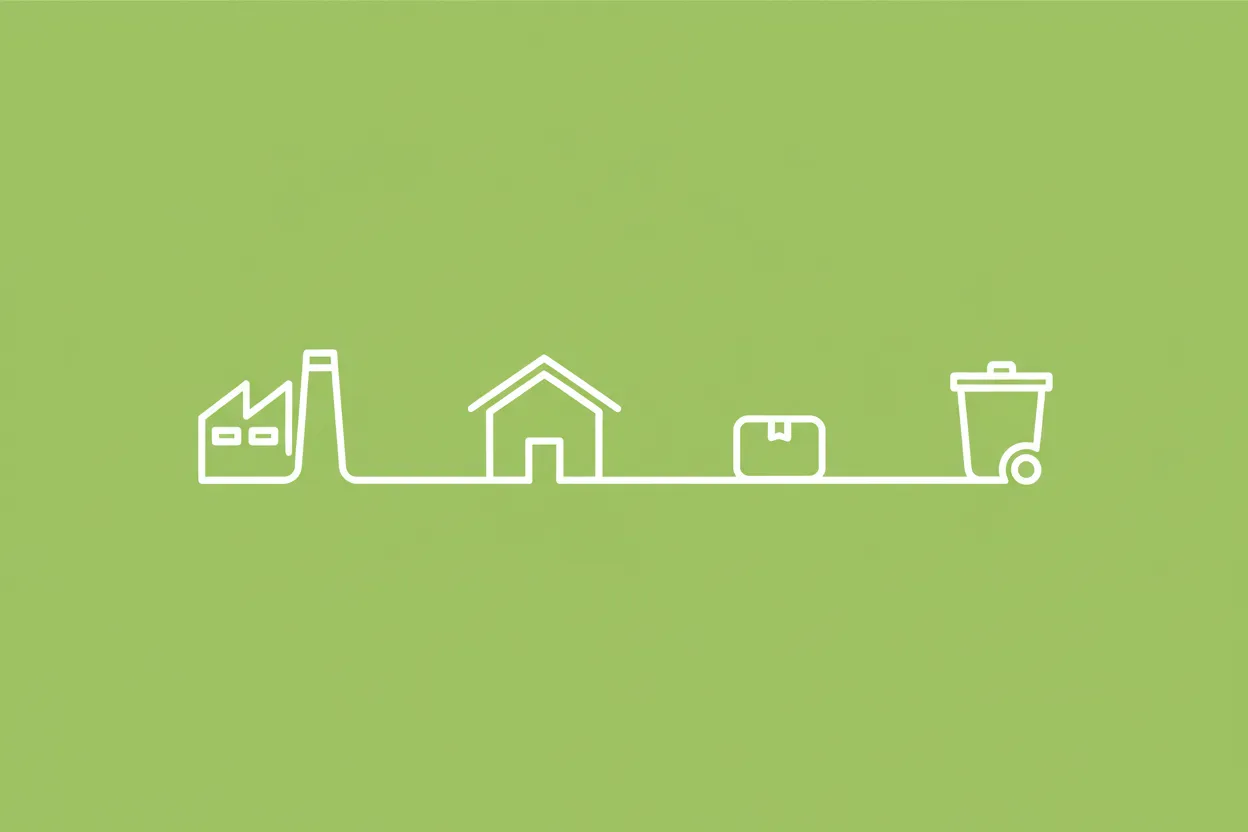
What is cradle to grave?
Cradle-to-Grave tracks a product’s full life—from making to use to disposal—showing its total environmental impact. It helps us make smarter, greener choices and reduce waste.
What is embodied energy?
Embodied energy is the total energy used to make a product, from raw materials to assembly. Choosing low-embodied energy materials and recycling helps reduce environmental impact and supports sustainability.
What is acidification potential?
Acidification potential measures how much sulfur dioxide and nitrogen oxides a product or activity releases, causing acid rain that harms ecosystems, buildings, and air quality. Reducing it supports sustainability.