Frederik Kiel Jespersen
Frederik Kiel is Co-Founder and Chief Technology Officer at Repax, where he architects technology solutions that bridge the gap between regulatory compliance and sustainable business practices. He focuses on building scalable infrastructure that transforms complex environmental responsibilities into actionable insights. With a commitment to better technology as a force for environmental stewardship, Frederik works at the intersection of compliance innovation and circular economy advancement.

Articles by :author:
The latest industry news, interviews, technologies, and resources.
What is eddy current separation?
Glossary
Eddy current separation uses spinning magnets to push away non-ferrous metals like aluminum from mixed waste, boosting recycling, saving resources, and supporting a cleaner, circular economy.
What is tracer-based sorting (TBS)?
Glossary
Tracer-Based Sorting adds tiny markers to materials, helping machines sort plastics and metals accurately. This cuts waste, boosts recycling quality, saves resources, and supports a circular economy.
What is decontamination in recycling?
Glossary
Decontamination cleans recycled materials by removing dirt and harmful substances, improving quality, safety, and resource savings. Simple steps like rinsing help support a greener, circular economy.
What is magnetic separation?
Glossary
Magnetic separation uses magnets to pull out metals like iron from waste, helping recycle materials, reduce landfill, cut pollution, and support a cleaner, circular economy.
What is extrusion?
Glossary
Extrusion shapes materials by pushing them through a die, enabling recycling, reducing waste, and saving energy. It creates strong, lightweight products, supporting sustainability and a circular economy.
What is methanolysis?
Glossary
Methanolysis breaks down plastics and fats using methanol, turning waste into reusable materials or biodiesel. It supports recycling, reduces pollution, and promotes a circular, sustainable economy.
What is gasification?
Glossary
Gasification turns waste like wood and crop leftovers into syngas, a clean energy source. It reduces landfill use, cuts pollution, and supports circular economy by reusing tough-to-recycle materials.
What is hydrothermal recycling?
Glossary
Hydrothermal recycling uses heat, water, and pressure to turn wet organic waste into fuels, soil enhancers, or chemicals, saving energy, cutting emissions, and boosting circular economy efforts.
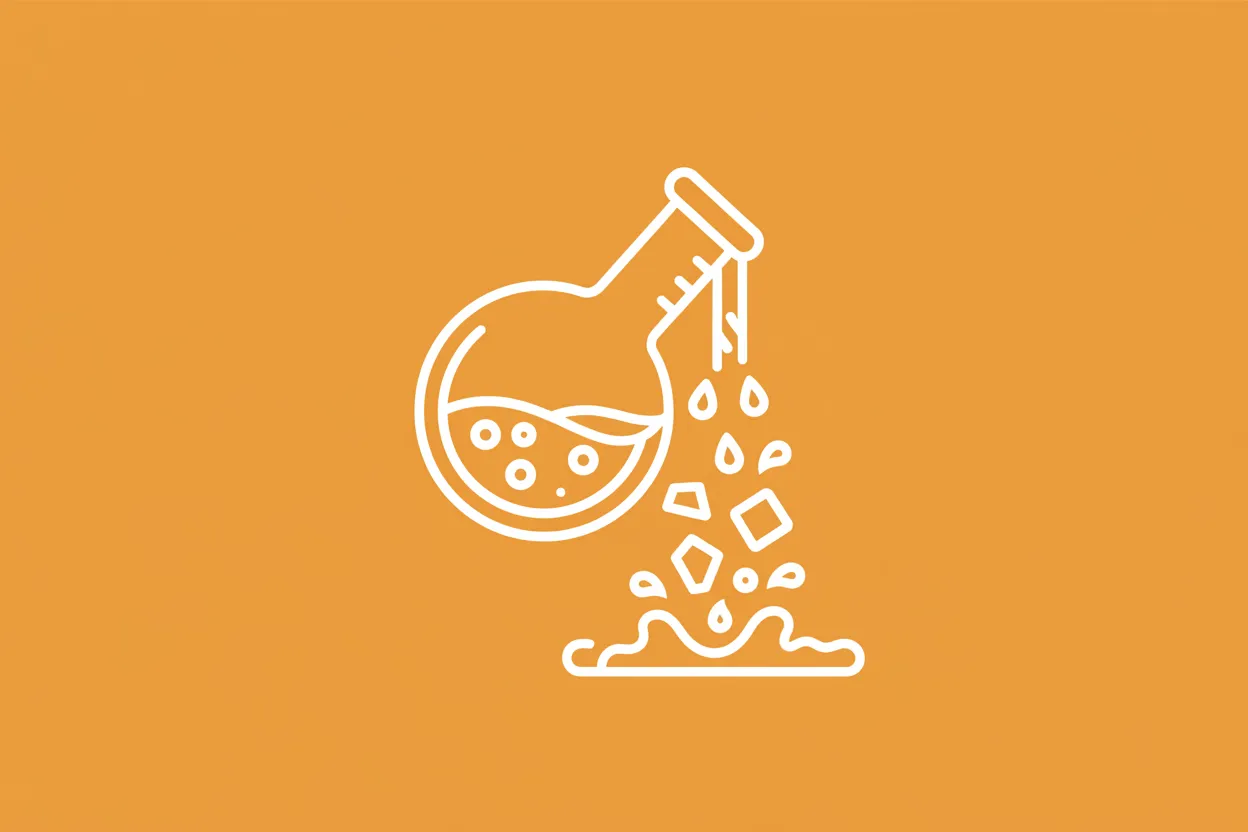
What is solvent-based recycling (dissolution)?
Glossary
Solvent-based recycling uses special liquids to dissolve and purify plastics, keeping quality high. It handles mixed waste well, saves energy, and supports a circular economy by reducing plastic pollution.
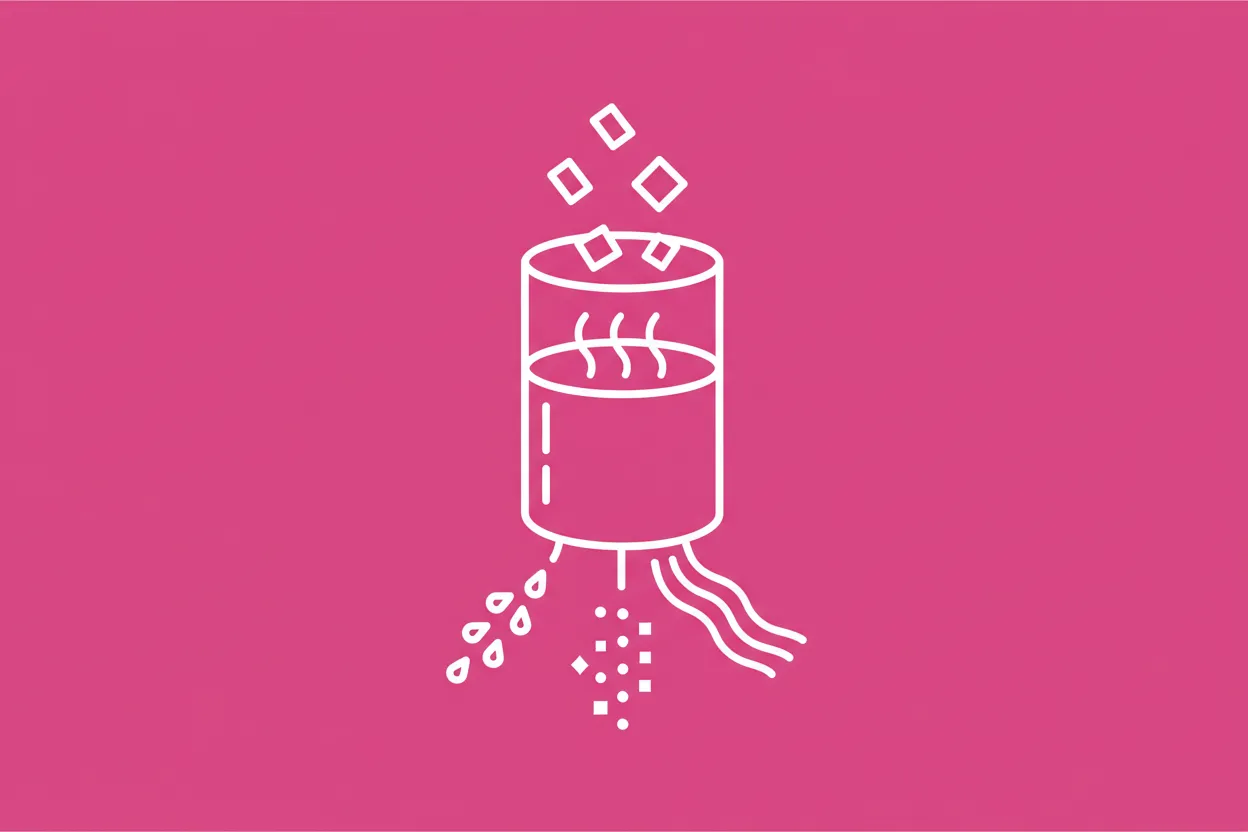
What is pyrolysis?
Glossary
Pyrolysis heats waste without oxygen, turning it into useful fuels, gases, and char. It cuts landfill waste, lowers emissions, and supports recycling by converting mixed waste into new resources.
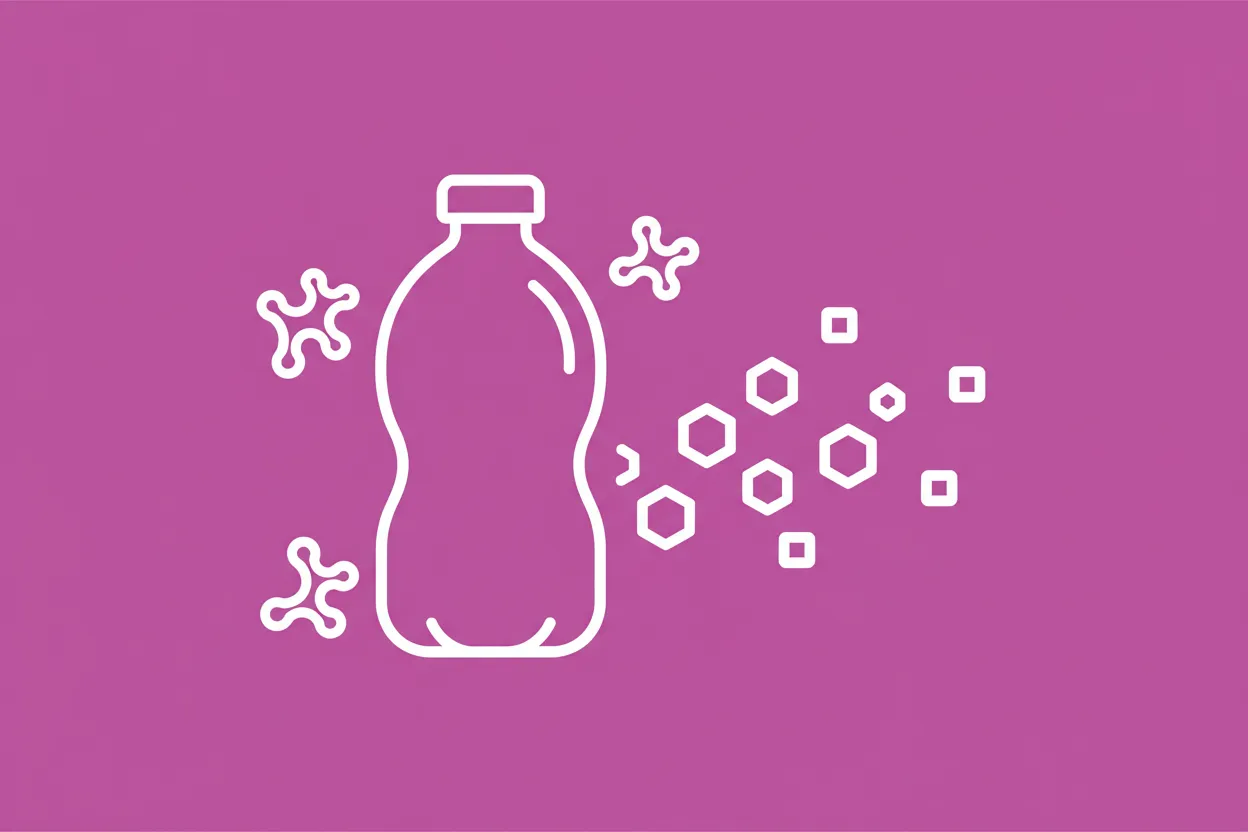
What is enzymatic recycling?
Glossary
Enzymatic recycling uses natural enzymes to break plastics into original parts, saving energy, reducing pollution, and enabling cleaner, easier recycling that supports a circular economy and less waste.
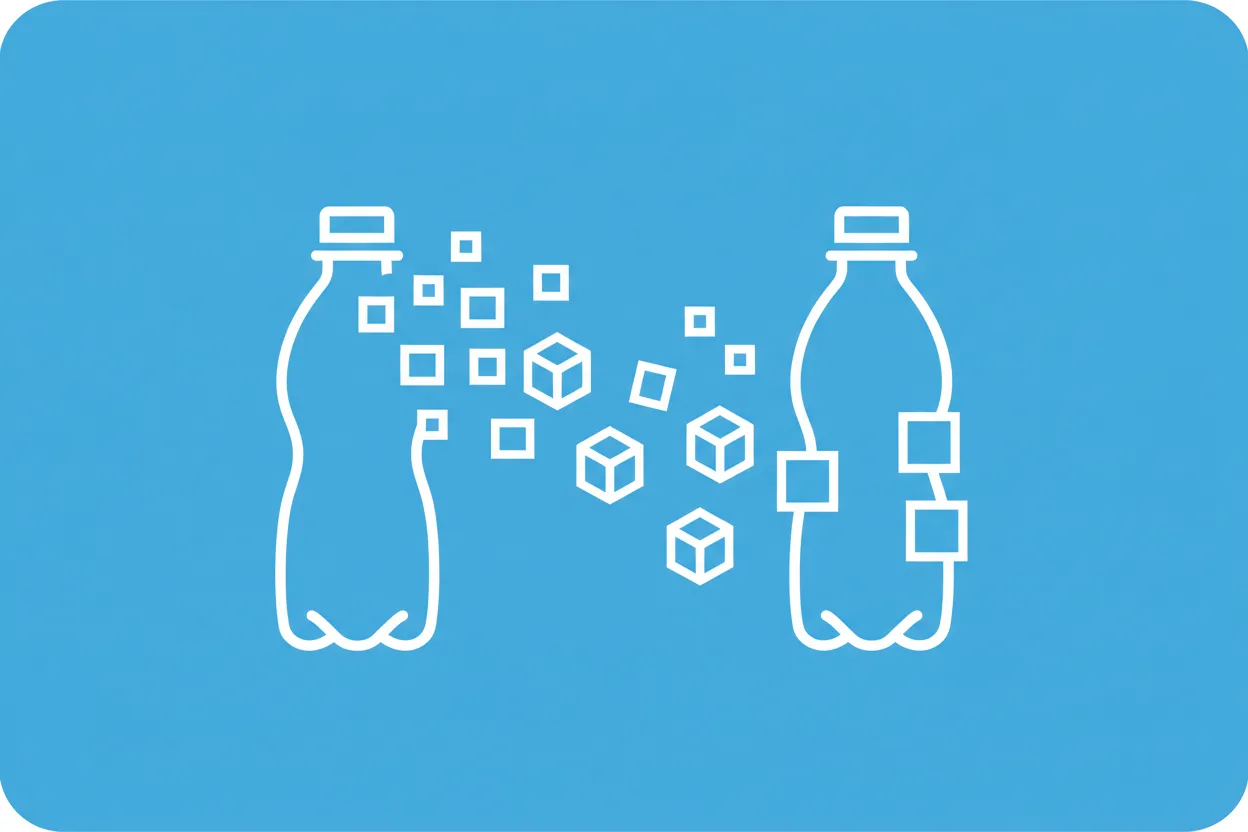
What is glycolysis in PET recycling?
Glossary
Glycolysis breaks down PET plastic chemically, turning waste into raw materials. This helps recycle plastics fully, saves resources, cuts emissions, and supports a circular economy.