Our blog
Glossary
Key terms and definitions related to circularity, environmental responsibility, and sustainable practices - explained simply and clearly.
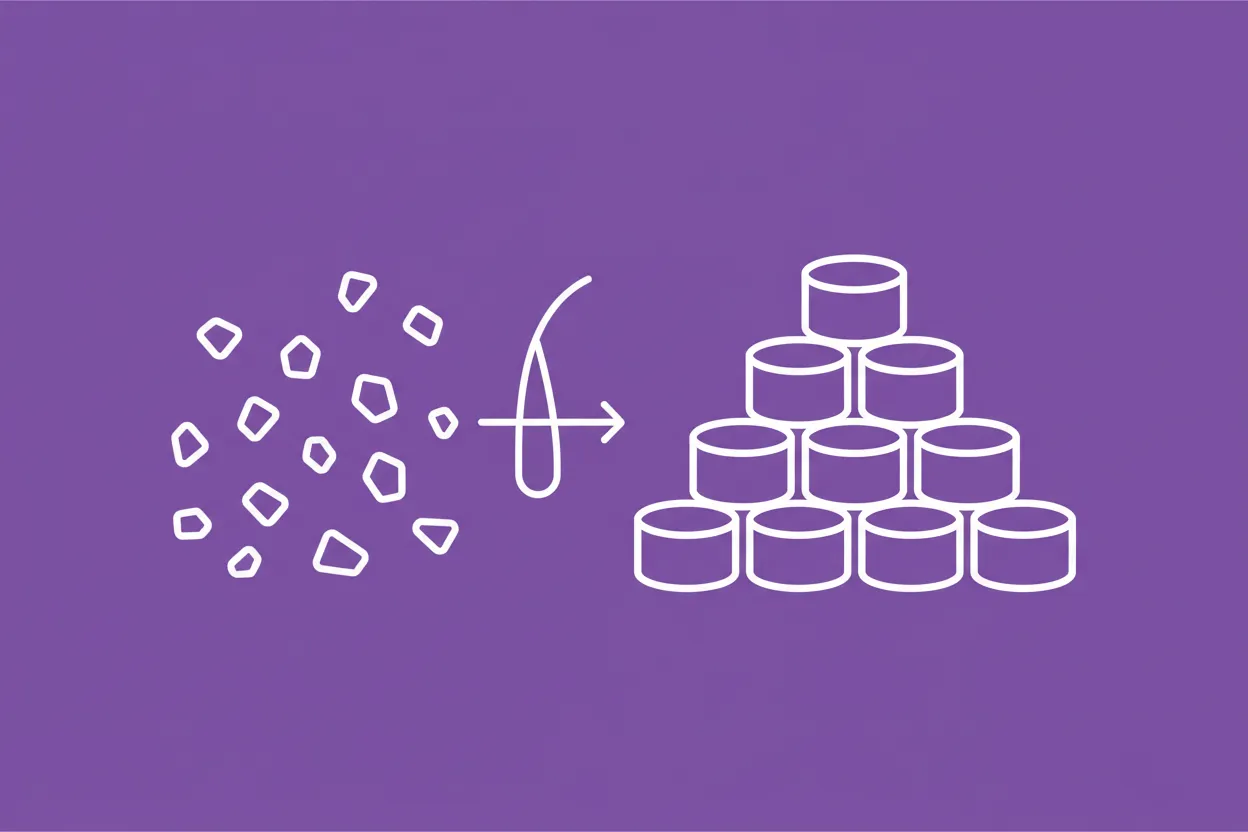
What is pelletisation?
Pelletisation compresses small waste particles into uniform pellets, easing transport and recycling. It boosts sustainability by turning waste into fuel, fertilizer, or raw materials for a circular economy.

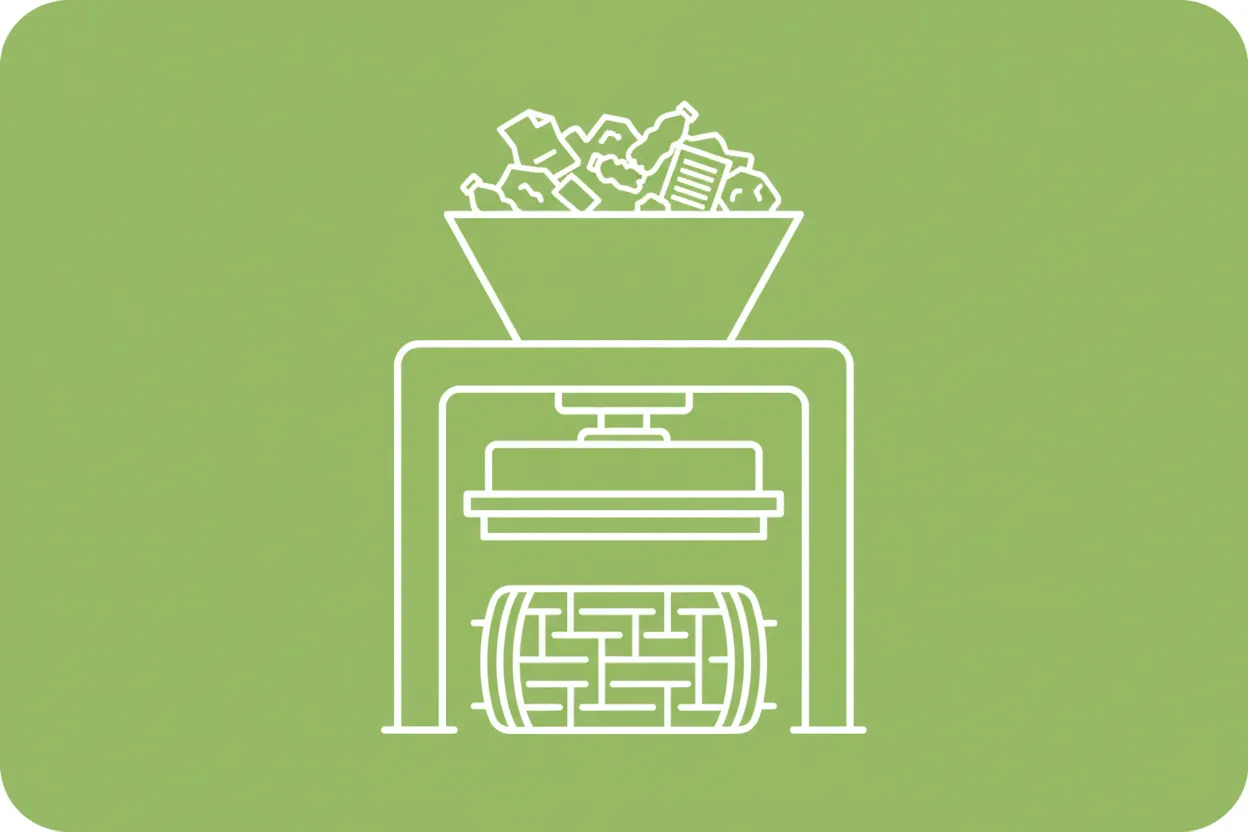
What is baling of recyclable materials?
Baling compresses recyclables into dense blocks, saving space, cutting transport emissions, protecting materials, and boosting recycling efficiency—key for a circular, sustainable economy.
What is secondary raw material?
Secondary raw materials come from recycled products, reducing the need for new resources. Using them saves energy, cuts pollution, and supports a circular economy for a greener planet.
What is regrind?
Regrind recycles scraps into new materials, cutting waste and energy use. It’s a smart, eco-friendly way to make everyday products like packaging and furniture more sustainable.
What is rPP (recycled polypropylene)?
rPP is recycled polypropylene made from used plastic, reducing waste and saving energy. It supports a circular economy by turning old items into new, eco-friendly products, helping protect the planet.
What is flake recycled plastic?
Recycled plastic flakes are small, cleaned pieces of plastic waste used to make new products. They support recycling and circular economy by reducing waste and saving resources.
What is post-industrial waste (pre-consumer waste)?
Post-industrial waste is leftover material from manufacturing, cleaner and easier to recycle than post-consumer waste. Recycling it saves resources, supports circular economy, and benefits businesses and the environment.
What is waste diversion?
Waste diversion cuts landfill waste by recycling, reusing, and composting. It saves resources, supports jobs, and helps build a circular economy for a cleaner, greener planet.
What is post-consumer waste?
Post-consumer waste is what we toss after use, like bottles or paper. Recycling it saves resources and cuts pollution. Try using reusable items or sorting your trash to help the planet!