Our blog
Glossary
Key terms and definitions related to circularity, environmental responsibility, and sustainable practices - explained simply and clearly.
What is waste management?
Waste management safely collects, sorts, recycles, composts, and disposes of waste to protect health and nature. It supports a circular economy, saving resources and reducing pollution.

What is food-grade recyclate?
Food-grade recyclate is recycled plastic safe for food packaging. It meets strict hygiene rules, cuts waste, saves resources, and helps create a circular economy in food packaging.
What is municipal solid waste (MSW)?
Municipal Solid Waste is everyday trash from homes and businesses. Properly reducing, reusing, recycling, and composting it helps protect the environment and keeps cities clean and healthy.
What is post-consumer recycled content (PCR)?
Post-Consumer Recycled Content (PCR) is recycled material from used products, helping reduce waste, save resources, cut energy use, and support a circular economy for a greener planet.
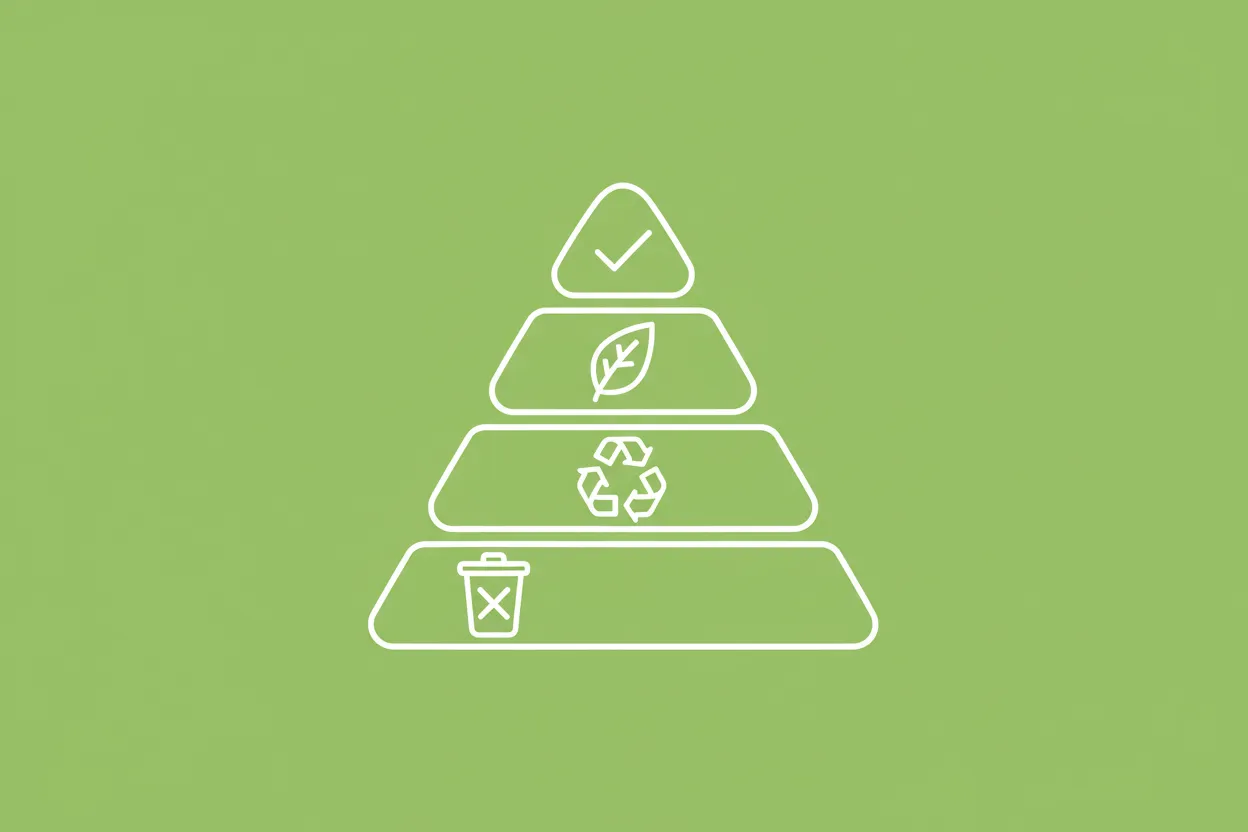
What is waste hierarchy calculation?
Waste Hierarchy Calculation ranks waste handling from best to worst: prevent, reuse, recycle, recover, dispose. It measures how well waste is managed to boost circularity and protect the environment.

What is recyclate?
Recyclate is recycled material processed to be reused in making new products. It saves resources, cuts pollution, and supports a circular economy by keeping materials in use longer.
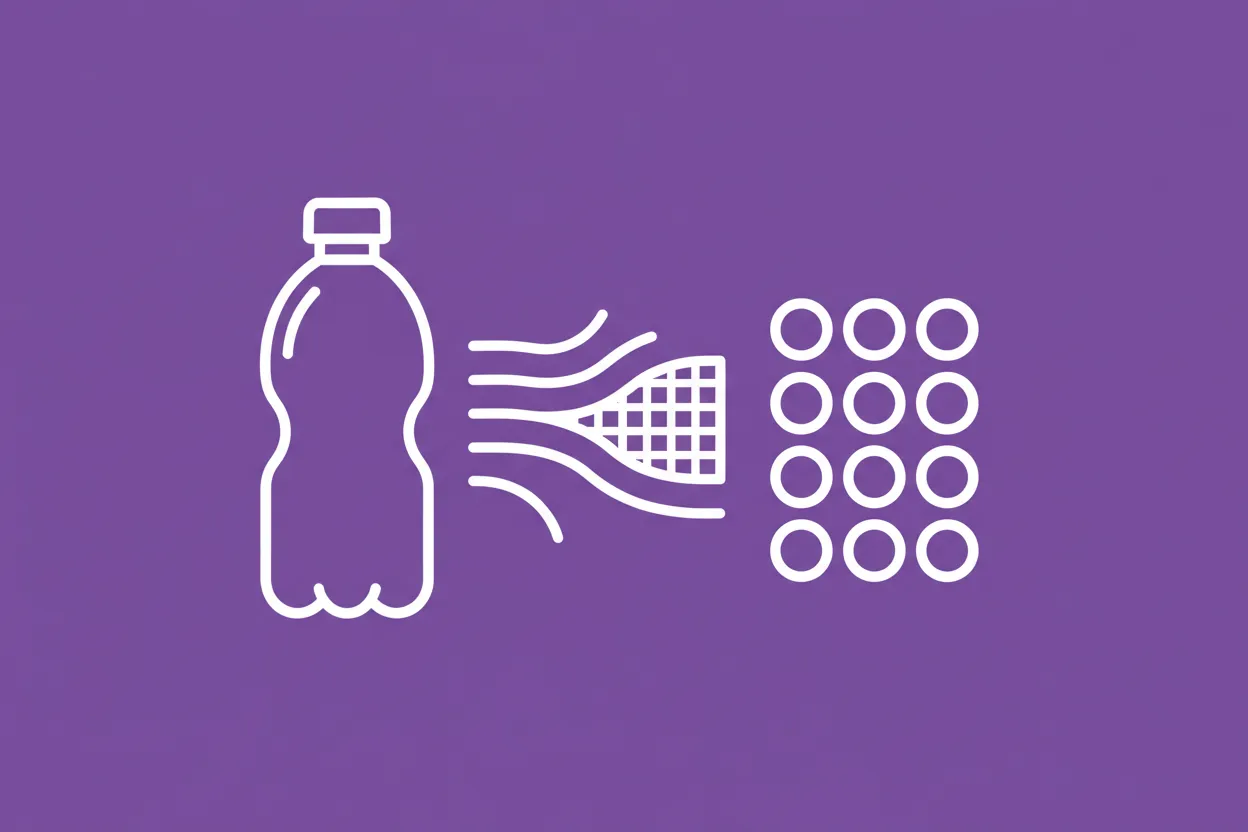
What is recyclate quality?
Recyclate quality means how clean and pure recycled materials are, affecting their reuse. Better quality saves resources, cuts waste, and supports a healthier planet for all of us.
What is a waste stream?
A waste stream is the path waste takes from where it’s made to disposal or recycling. Managing it well helps reduce pollution, save resources, and supports a circular, sustainable future.
What is door-to-door collection?
Door-to-door collection makes recycling easy and convenient, boosting proper sorting, reducing waste, supporting the circular economy, and keeping neighborhoods clean and green.